
Interior Design
The New Luxury: Calm, Clutter-Free Minimalist Interior Design
July 16, 2025
In high-end renovations today, luxury looks different than it used to; homeowners are asking for less noise and a sense of calm that starts the moment they walk through the door. That’s where minimalist interior design has become a quiet frontrunner.
Minimalist Interior Design Isn’t About An Empty Room,
It’s About Breathing Room
The current wave of minimalism trades cold and stark for warm and intentional: think wood tones over polished steel, matte finishes over gloss, and thoughtful asymmetry instead of forced symmetry. It’s less about perfection and more about peace.
When clutter disappears and surfaces are thoughtfully spaced, the whole room starts working differently. There’s more light, better flow, and an overall softness that’s hard to achieve in over-decorated spaces.
For homeowners craving simplicity that doesn’t sacrifice elegance, minimalist interior design offers a quiet kind of richness; it’s how the space feels, not what fills it.
The Secret to a Clutter-Free Space? Hidden Storage That Actually Works
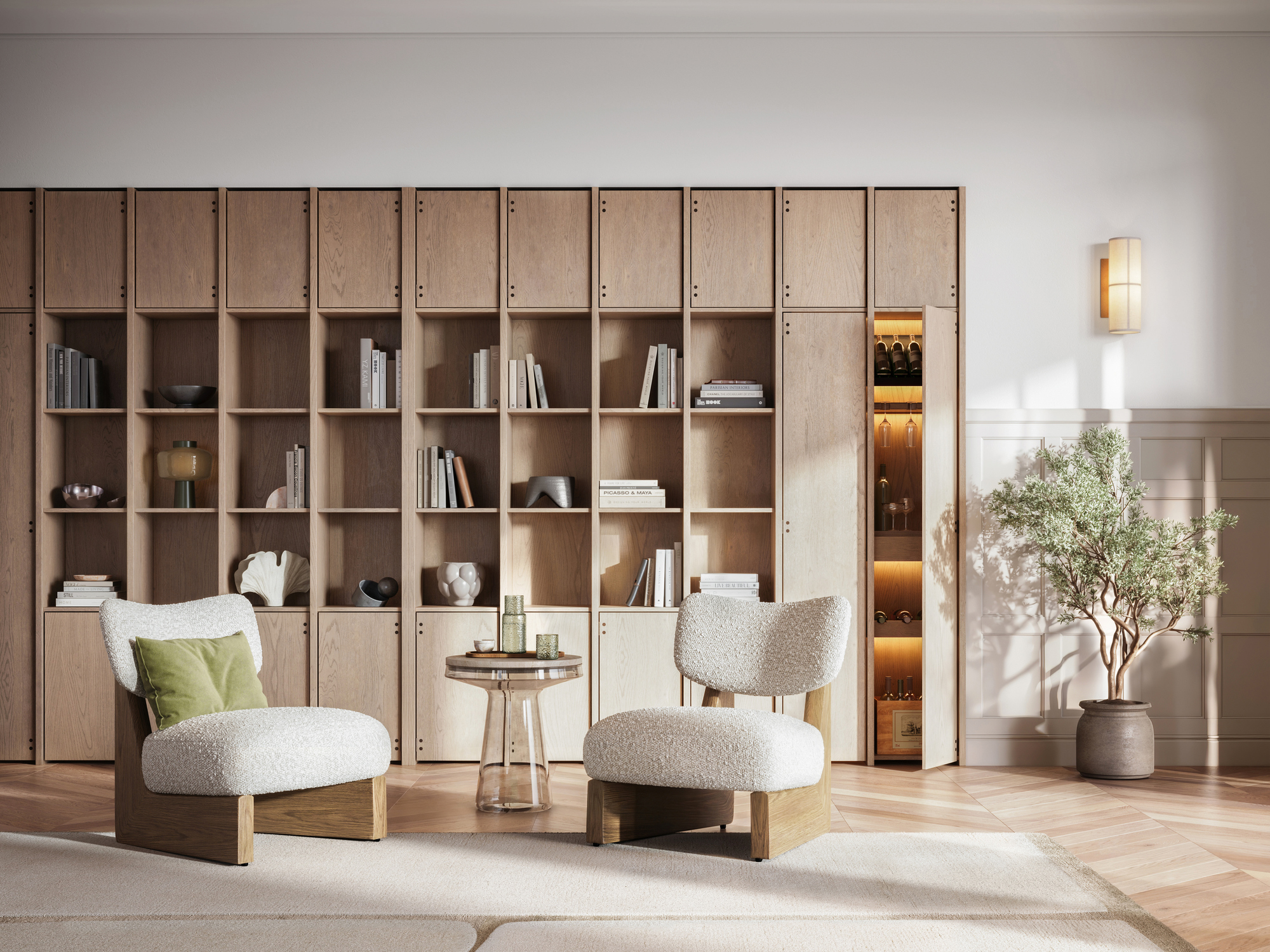
Minimalist interior design doesn’t mean living with nothing. It means keeping what matters and building a space that helps the rest disappear.
Designers working in this style treat storage like a design feature:
- Clean lines are protected by built-ins that stretch floor to ceiling.
- Mudrooms pull double duty with integrated benches that hide seasonal gear.
- Kitchens ditch upper cabinets in favor of full-height pantries with pull-out shelving.
The goal is to keep surfaces clear so the room can breathe. Baskets, bins, and organizers fight against the space instead of working with it, but hidden storage changes that by turning clutter into a solved problem before it starts.
This is one of the most overlooked aspects of minimalist interior design—and one of the most impactful.
Material and Palette Choices That Feel Grounded, Not Generic
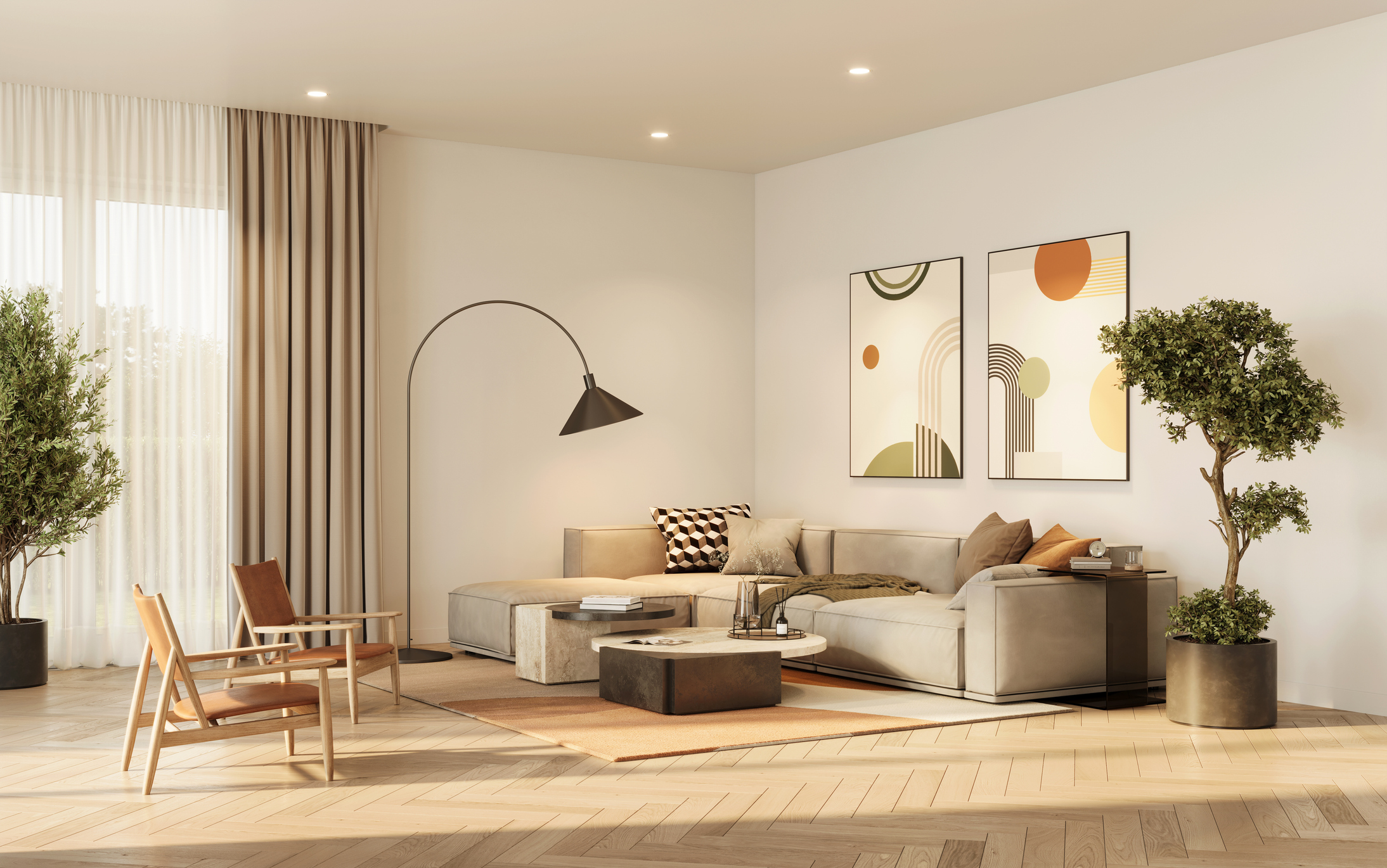
The materials in a minimalist interior don’t shout. They anchor. They’re selected for feel, not flash—natural woods, brushed metals, plaster, stone. Not because they match a trend, but because they hold up over time and ask nothing in return.
Muted palettes do the same. Off-whites with depth, soft greys, warm beiges. These tones don’t flatten a space. They soften it. They let the architecture speak without competition. In practice, this kind of restraint creates more impact than accent walls or bold contrast ever could.
What ties it all together is texture. When the color story is quiet, texture carries the weight. You’ll see bouclé against smooth oak, linen next to concrete, matte tile under a handwoven rug. The contrast is subtle but deliberate. That tension between smooth and tactile is what makes minimalist interior design feel warm instead of sterile.
Layout Comes First. Everything Else Follows.
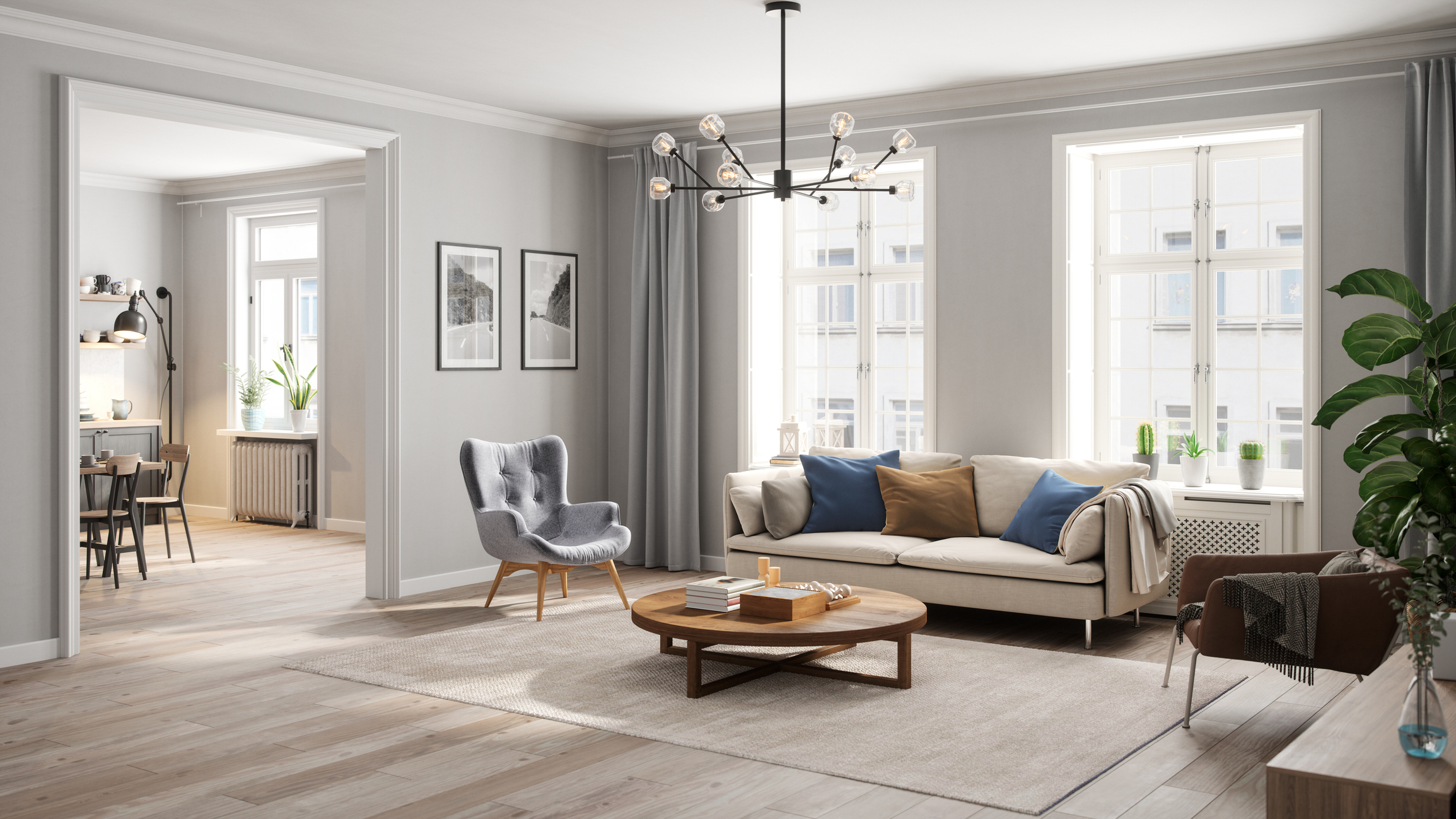
Minimalist interior design doesn’t work without flow. Every decision—lighting, furniture, storage—depends on how a space moves. Open layouts are part of it, but it’s more about how each area leads into the next without friction.
Traffic patterns need breathing room. Hallways shouldn’t feel like bottlenecks. Corners shouldn’t collect furniture out of default. Designers who get this correct plan like problem-solvers: They use negative space on purpose. A reading nook near a window. A dining area that doesn’t pinch the kitchen. A bedroom with enough space around the bed to move without brushing past anything.
And furniture needs to pull its weight. That means scale matters. A low-slung sofa opens up sightlines. A floating credenza keeps the floor visible. Fewer pieces, better placement. That’s what creates the feeling of openness—without leaving the space feeling empty.
The good layout disappears into the background. People don’t notice it. They just notice that the space works.
The Calm You Can Feel, Every Time You Walk In
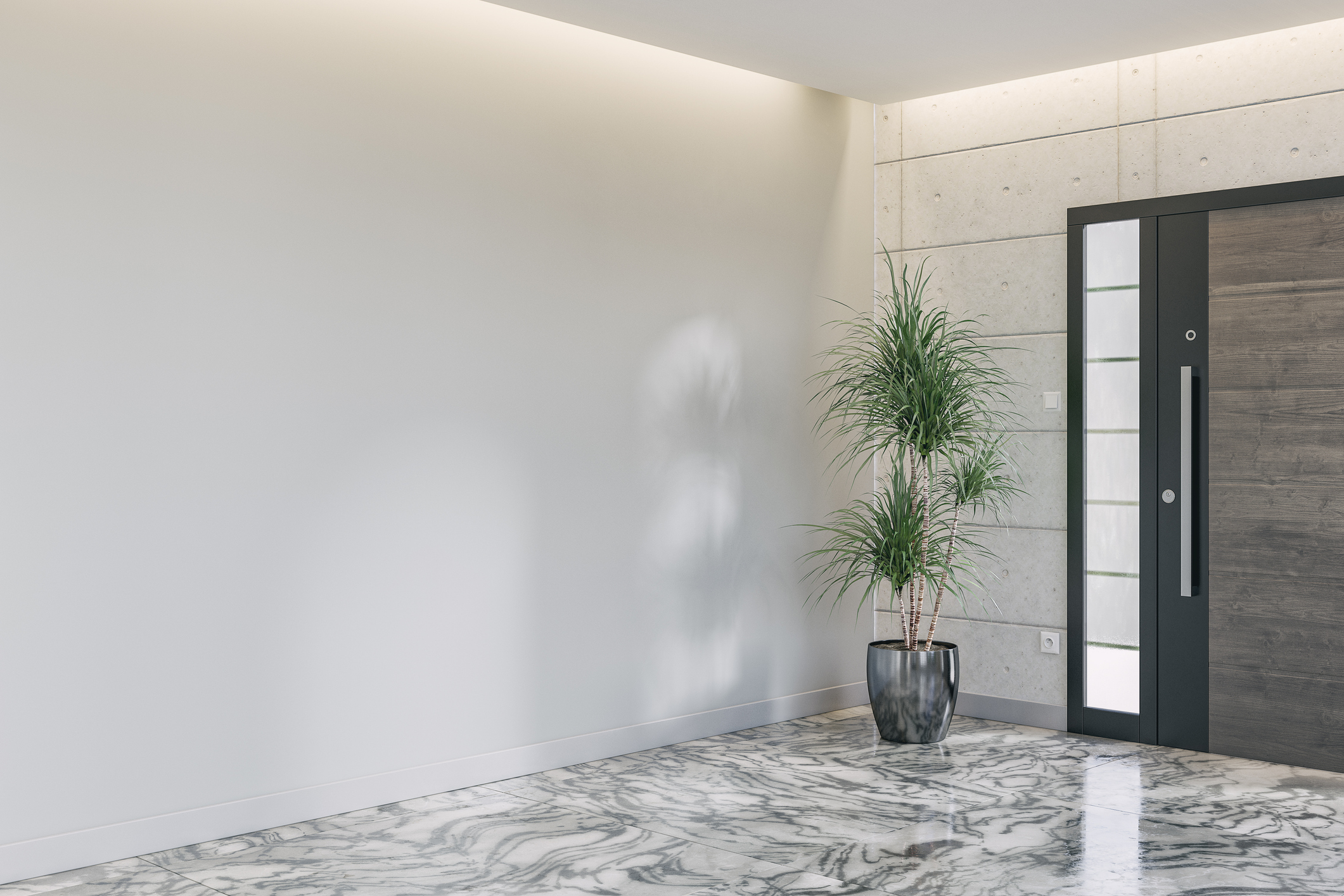
Minimalist interior design isn’t a trend. It’s a response to how people actually want to live. Calm spaces. Clear surfaces. Layouts that work without making a show of it. The best part? When it’s done right, you don’t need to think about it. You just feel better in the space.
maison d’etre works with homeowners who want that kind of simplicity—with zero compromise on quality. The materials are thoughtful. The storage is invisible. The flow just works.
If you’re planning a renovation and want a space that feels calm, clear, and truly lived-in, get in touch. maison d’etre’s design team can help you build something that lasts.