
Renovations
Upgrading Your Home: Adding a Laneway House
November 4, 2025
Owning a home in BC is an accomplishment — but it can also feel like a missed opportunity when your backyard sits empty while property taxes climb higher every year. What if that space could work for you instead?
A laneway house is a compact, self-contained home built in your backyard — perfect for rental income, family housing, or boosting your property value without buying new land. Across BC, more homeowners are discovering that adding a laneway house isn’t just a renovation project; it’s a smart, long-term investment that creates flexibility, freedom, and extra income.
At maison d’etre, we’ve helped homeowners across Vancouver, Victoria, and the Lower Mainland design and build laneway houses that feel open, bright, and functional — not cramped or cookie-cutter. This guide breaks down why laneway houses have become so popular in BC, what to expect before you build, and how to make your project a financial win from day one.
Why BC Homeowners Are Turning to Laneway Houses
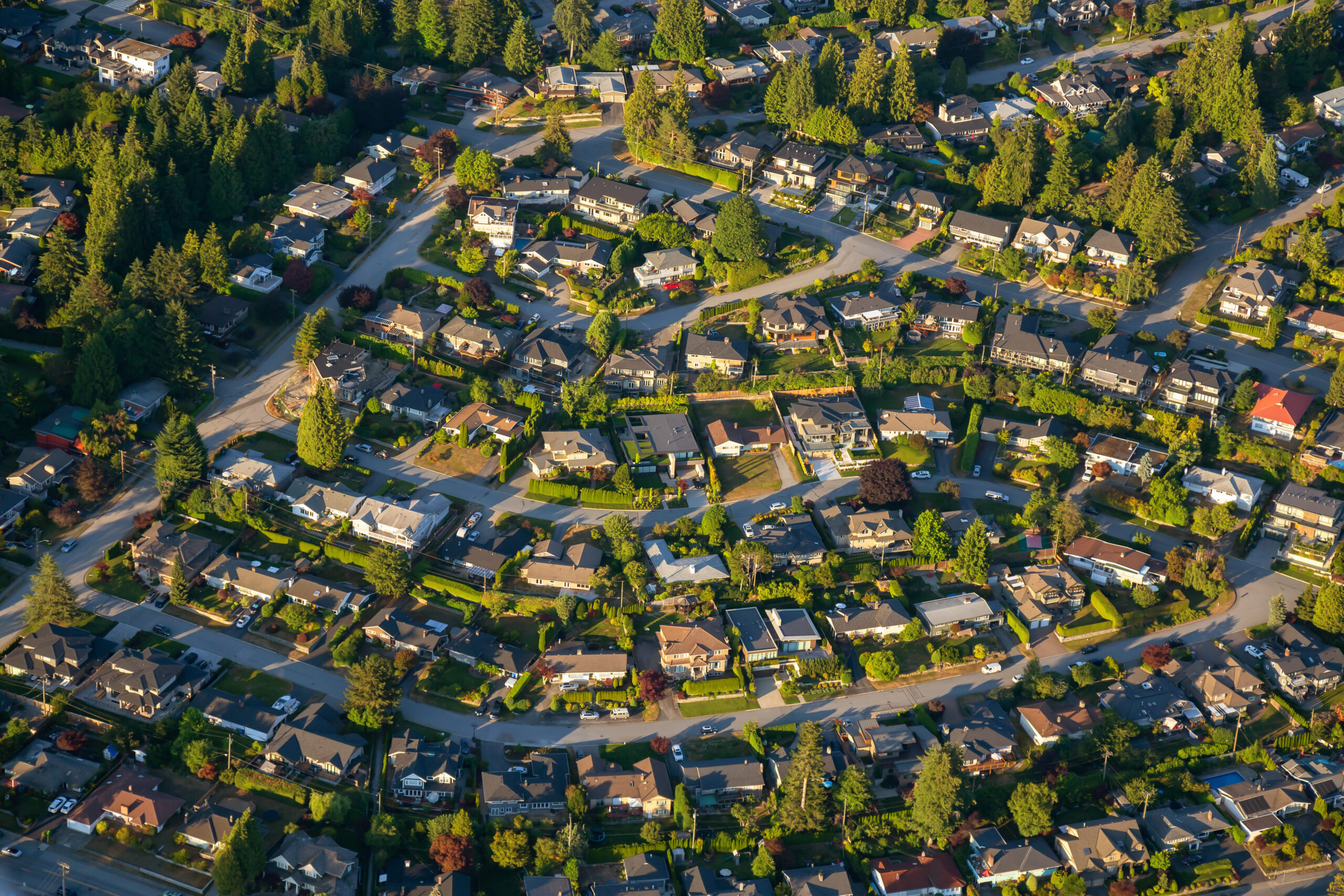
If you own property in BC, you’ve probably felt the pinch — high mortgage payments, adult kids struggling to afford rent, or aging parents who need support close by. That’s why more homeowners are discovering the laneway house as a flexible, long-term solution that makes financial and family sense.
A laneway house is more than just extra square footage. It’s a backyard suite that can adapt to your life as it changes — a rental now, a home office later, a place for family down the road.
Real-world wins
In East Vancouver, one homeowner converted an old garage into a two-bedroom laneway house that now rents for around $2,300 a month, covering nearly half their mortgage payments.
Across the city, others have built similar units to house aging parents while maintaining privacy and independence for everyone.
According to Vancouver Is Awesome, some homeowners are earning up to $8,000–$9,000 over a summer from laneway or secondary suites — turning underused property into a steady source of income.
What to Know Before You Build a Laneway House in BC
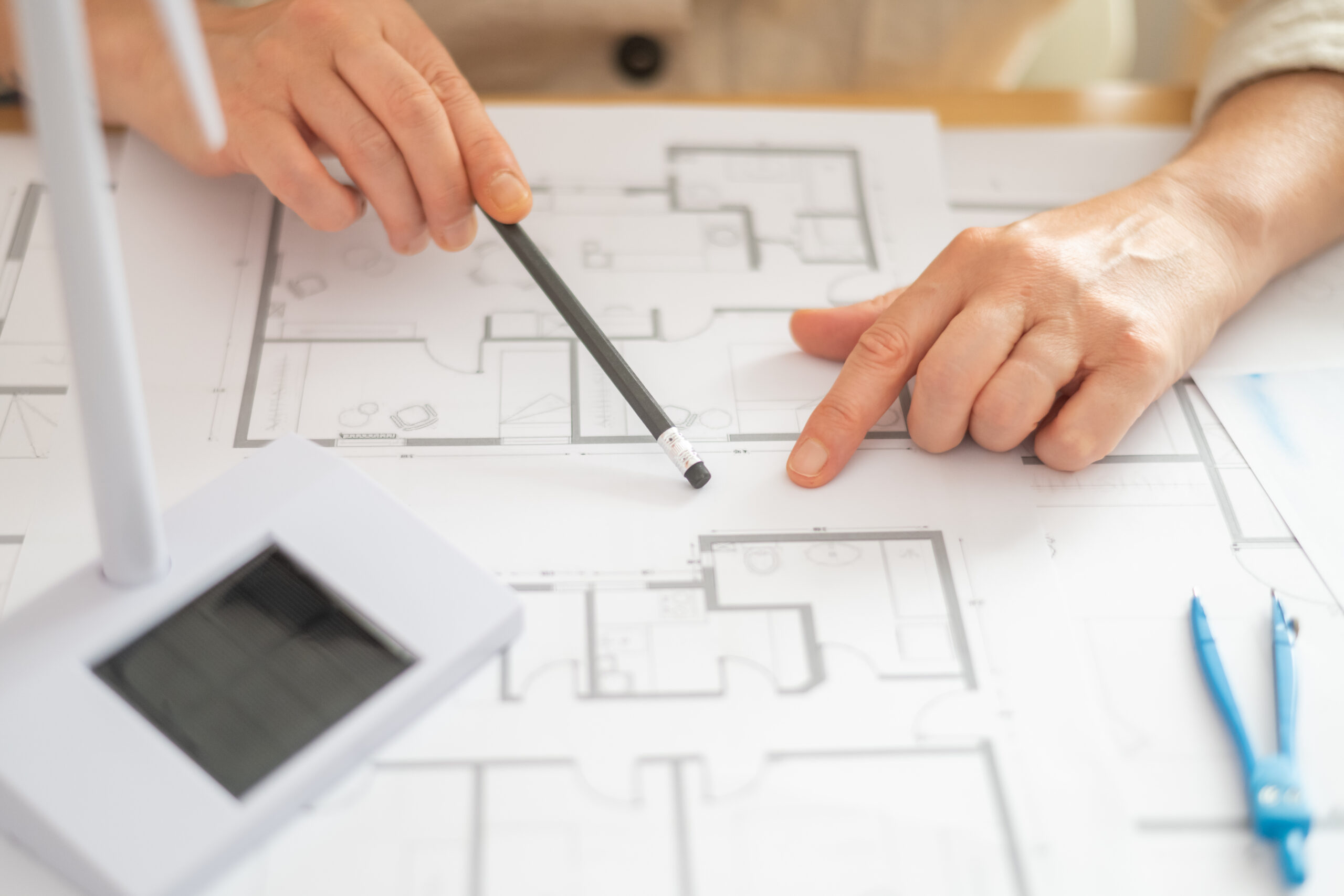
Building a laneway house sounds straightforward — until you hit zoning maps, permit applications, and unexpected utility costs. Here’s what homeowners in BC need to understand before breaking ground.
1. Check your zoning early
Every city handles laneway houses a little differently. In Vancouver, they’re generally allowed on single-family lots with lane access, but placement, height, and setbacks are tightly regulated. The house usually needs to sit behind the main residence and stay under 5.5 to 6 metres tall.
Before spending a dollar on renovation design, download your property’s zoning details and call your local planning department. It’s the simplest way to confirm what’s actually permitted on your lot.
2. Expect a permit marathon, not a sprint
For most Metro Vancouver builds, permits take three to four months — longer if drawings or energy reports need revisions. The process involves development approval, structural review, and energy compliance. A complete application package keeps you from bouncing between departments.
- Have your property survey and title ready.
- Include a site plan showing setbacks and existing structures.
- Budget time for energy modeling — BC Energy Step Code requirements can’t be skipped.
3. Factor in utility connections
Servicing is one of the most common budget surprises. Extending sewer, water, and electrical lines to a new structure can cost $10,000–$30,000, depending on distance, trenching, and lane conditions. If your main lines run under concrete or a garden, expect restoration costs too. Getting a site services quote early helps you compare bids accurately later.
4. Plan for livability, not just compliance
A laneway house passes inspection by meeting code — but it feels like home when it’s designed with comfort in mind. Consider window placement for privacy, natural light, and cross-ventilation. Think about how noise travels between the main and secondary homes. Plan storage and access before finishes.
5. Know your timelines
From first design draft to move-in, most projects in BC take 9 to 12 months. That includes permits, construction, and final occupancy inspection. The fastest builds happen when homeowners make decisions early — and stick with them once work begins.
Design That Makes Small Spaces Feel Big
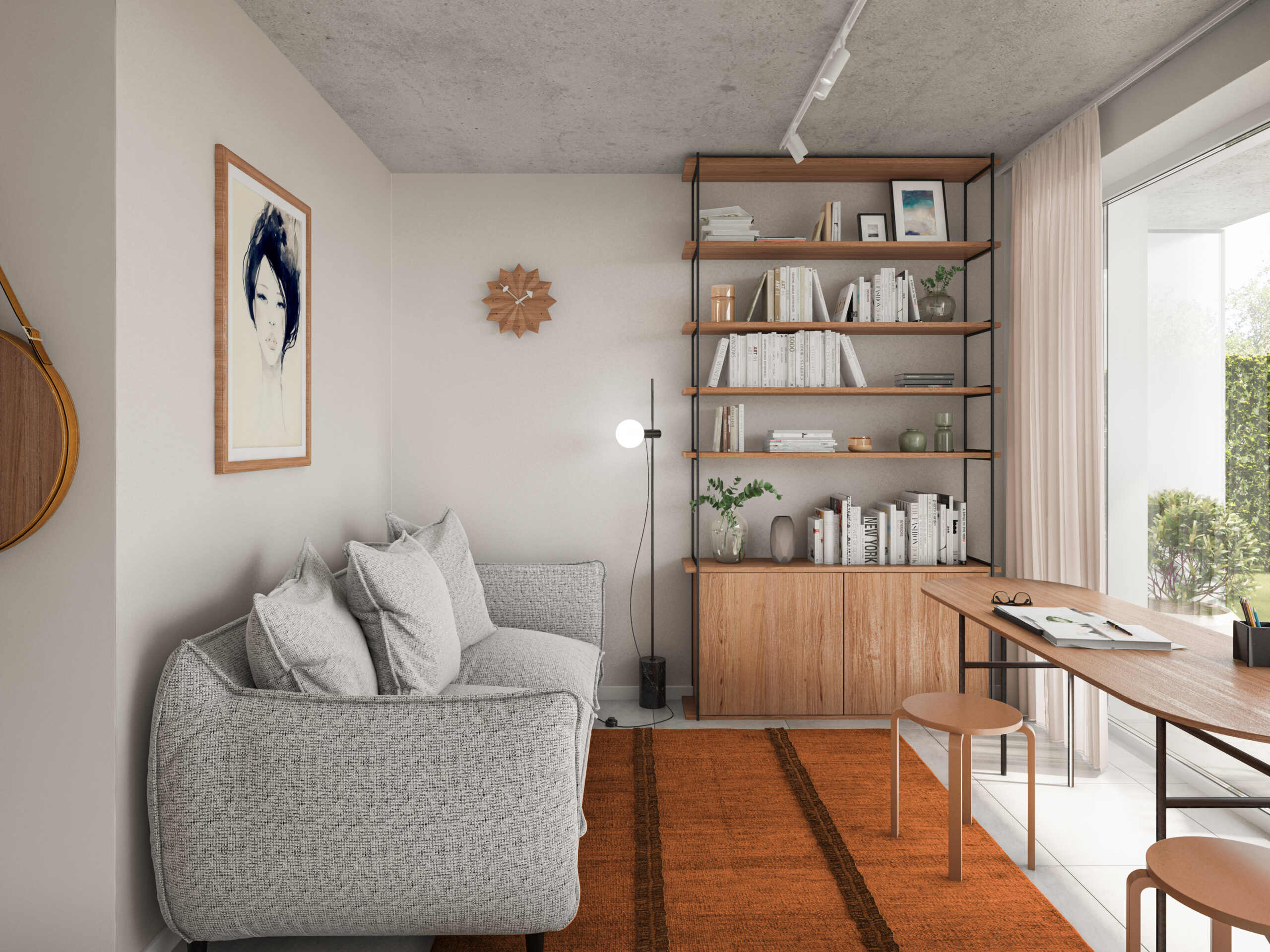
A laneway house might be compact, but smart design will make it feel surprisingly spacious. The trick isn’t about adding square footage — it’s about how you use it. BC homeowners have been getting creative, borrowing ideas from tiny-home living and applying them with a modern, West Coast feel.
Prioritize layout before finishes
The biggest mistake people make is obsessing over countertops before the floor plan works. Focus on flow and function first — where you’ll store things, how people move through the space, and how rooms connect. Once that’s right, finishes become the easy part.
A well-designed 480 sq ft laneway house in Mount Pleasant used a vaulted ceiling and glass doors to create an airy living area that felt almost double its size. By aligning sightlines toward the garden and tucking storage into walls and stairs, the space never felt cramped — a principle you can apply to any build.
Bring in natural light
Small spaces rely on good lighting to feel open. Large windows, clerestory glass, and full-height doors make a dramatic difference. If privacy is a concern, use frosted panes or plant screens instead of smaller windows — you’ll keep the brightness without feeling exposed.
Use multi-purpose zones
A bedroom that doubles as an office or a living room with a pull-out guest bed adds flexibility without clutter. Built-ins can replace bulky furniture: benches with storage, fold-down desks, or wall-mounted tables that disappear when not in use.
Choose light, durable materials
Pale wood, soft whites, and matte finishes reflect light and reduce visual clutter. Opt for low-maintenance materials that will handle daily wear — quartz counters, vinyl plank flooring, and energy-efficient windows that help regulate temperature year-round.
Think outside the four walls
Your outdoor space is part of the living area too. A small patio or rooftop deck extends usable space and boosts rental appeal. In Vancouver’s climate, even a covered entryway will add functional square footage during rainy months.
Cost, Value, and ROI of a Laneway House in BC

Before you start building, it helps to know what the real numbers look like. A laneway house is an investment — and like any investment, the return depends on how you plan, budget, and use it.
Build costs
Across BC, most laneway houses cost between $250,000 and $500,000, depending on design, site conditions, and grade of finish. Projects that require extensive utility work, retaining walls, or lane upgrades can push toward the higher end.
- Contractors like GreenPath Contracting and CoreVal Homes report similar ranges — roughly $450–$550 per square foot, not including landscaping or GST.
- Simpler builds, such as single-level studios or smaller suites, sometimes land closer to $150,000–$300,000, though that’s less common in Metro Vancouver’s tight zoning and energy-code environment.
Rental potential
Once complete, a laneway house will immediately start paying itself off. In Metro Vancouver, average rents range between $2,000 and $3,500 per month, depending on neighbourhood and layout. High-end units in central locations can top $4,000.
According to Powell Contracting’s 2024 analysis, that translates to roughly 5–6% annual yield after operating costs — strong for a real-estate investment that also increases your property’s resale value.
Return on investment
Even conservative projections show that a well-designed laneway house can pay for itself within 15–20 years, purely through rental income. Add in property appreciation and you’re looking at a permanent boost to your home’s market value — often $250,000 or more.
That return can grow if you occupy the laneway yourself and rent out the main home, or convert the space later for family use. Flexibility is part of the ROI equation — you’re investing in options, not just square footage.
Rebates and financing
BC Hydro and the CleanBC program occasionally offer energy-efficiency rebates for high-performance windows, insulation, and heat pumps — worthwhile upgrades that lower long-term costs. Some municipalities also allow secondary suite grants or permit-fee reductions when building energy-efficient units.
The upfront cost may feel steep, but the payoff comes in monthly income, resale value, and the comfort of knowing your property is working harder for you.
Conclusion: Turning Your Backyard Into Opportunity
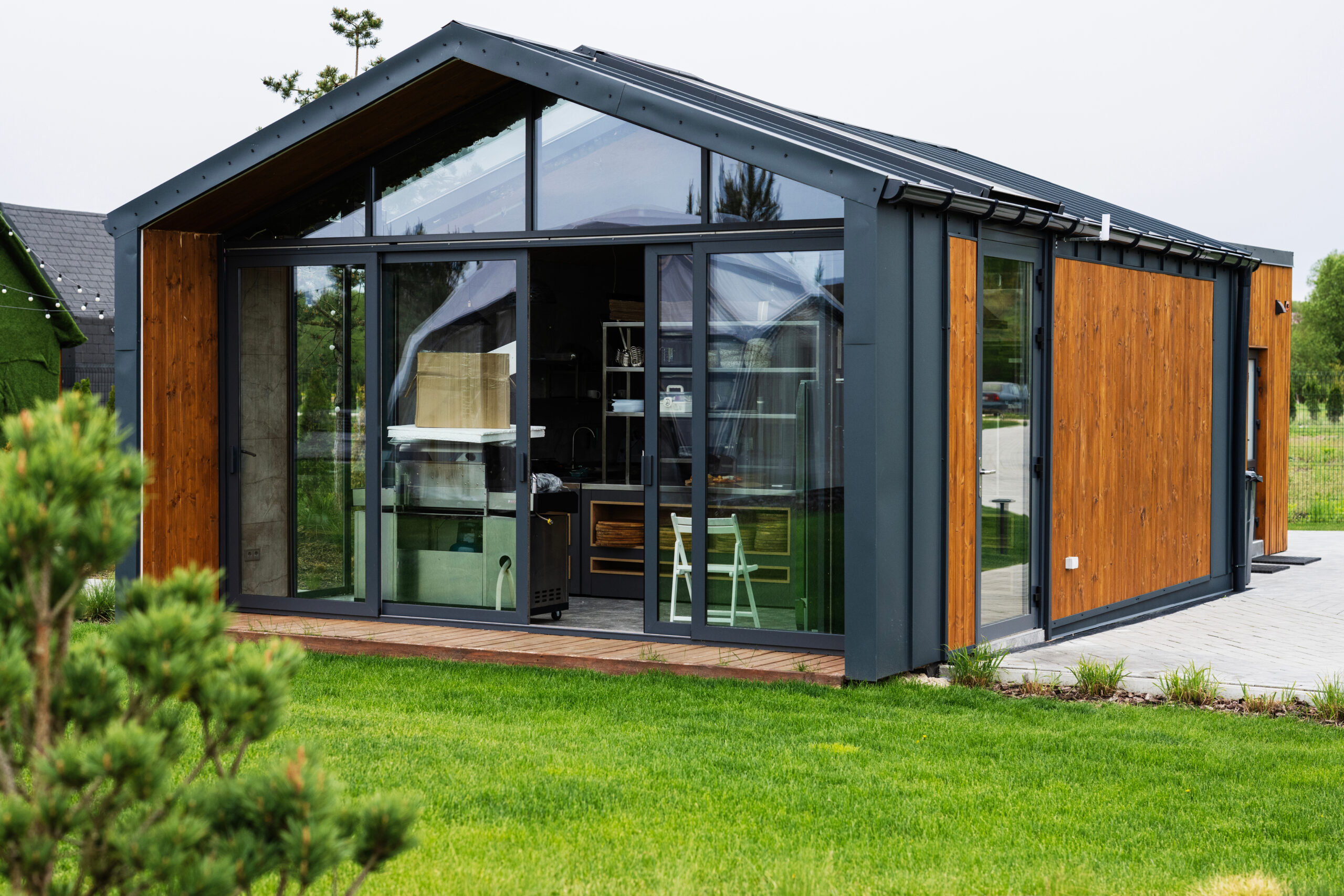
For BC homeowners, a laneway house is one of the smartest upgrades you can make. It builds equity, generates income, and creates long-term flexibility — whether you rent it out, house family, or boost resale value.
Yes, the upfront work takes planning. But with solid design, careful budgeting, and support from programs like CleanBC, BC Hydro, and BC Housing’s Secondary Suite Incentive Program, that investment quickly starts to pay off.
If your backyard isn’t earning its keep, it’s time to change that. Get in touch with maison d’etre to explore how a laneway house can turn your space — and your property value — into something that truly works for you.