
Home Decor●Interior Design●Tips
Breaking Down Luxury Home Reno Costs in Vancouver: What You Should Expect
March 12, 2026

If you’ve looked into home reno costs in Vancouver, you’ve probably noticed something frustrating: it’s hard to get a straight answer.
You’ll see broad ranges—everything from “$200 per square foot” to numbers that make your stomach drop. Maybe you’ve received a quick, surface-level estimate that feels surprisingly reasonable, designed simply to start the conversation. Then the detailed proposal arrives, and the numbers look very different from what you initially heard.
For affluent homeowners planning a high-end renovation, understanding what truly drives home renovation cost allows you to budget properly and evaluate proposals intelligently.
Let’s break down what actually shapes home reno costs in Vancouver so you know that every dollar you invest in your home is working in your favour.
1. Scope: Cosmetic Upgrade vs. Structural Transformation

Not all renovations are created equal. Two homes with identical square footage can carry dramatically different home reno costs based on what’s happening behind the walls.
On one end of the spectrum is a cosmetic refresh: new cabinetry fronts, countertops, fixtures, and paint. The layout remains intact. Systems remain largely untouched.
On the other end are structural renovations: removing load-bearing walls, relocating kitchens or bathrooms, upgrading plumbing and electrical systems, and reworking mechanical infrastructure.
At the luxury level, most projects extend well beyond a cosmetic refresh. They are designed to improve flow, functionality, long-term durability, and resale positioning.
That often means addressing performance alongside aesthetics. Depending on scope, this may include:
- Installing heat recovery ventilation (HRV) systems
- Upgrading insulation and air sealing to strengthen the building envelope
- Enlarging window openings or adding multi-panel sliding doors
- Improving energy efficiency to align with Step Code standards
- Replacing aging mechanical systems with high-efficiency alternatives
In Vancouver, evolving building standards and growing environmental awareness are placing greater emphasis on performance in high-end renovations. Homes that meet higher energy benchmarks tend to be quieter, healthier, and more resilient — and they generally retain value more consistently over time.
Understanding the scope of transformation, including these less visible elements, is the first step in understanding true house reno costs.
2. Design, Customization & Craftsmanship
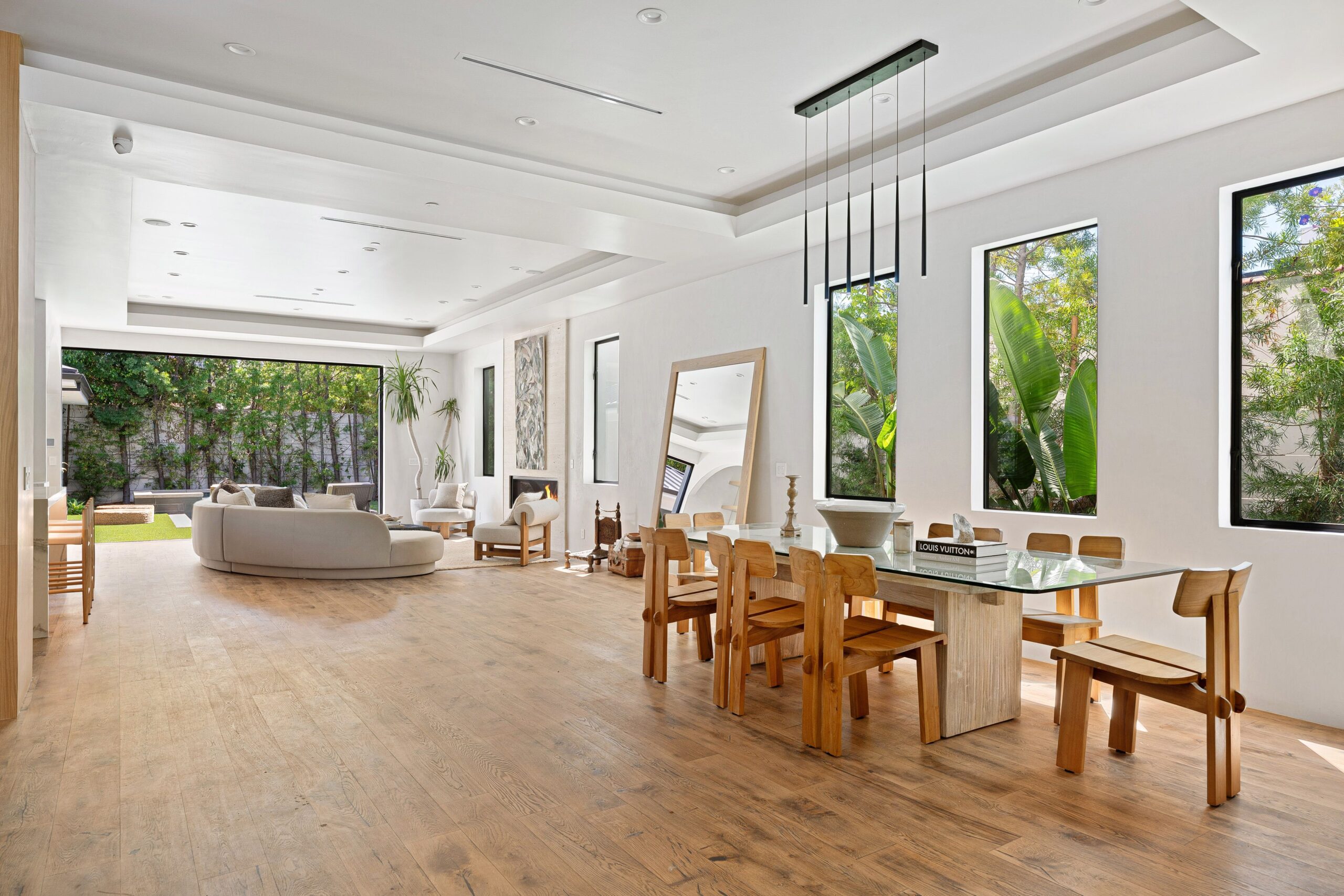
Once structural scope is defined, the next major driver of home renovation cost is customization.
In luxury renovations, very little is off-the-shelf.
Cabinetry is rarely standard depth or stock sizing. It’s designed to fit the space precisely — often floor-to-ceiling — with integrated appliances, concealed storage, and detailed millwork that requires shop drawings, fabrication time, and skilled installation.
Lighting plans are layered and intentional. Instead of a single overhead fixture, you may see:
- Recessed architectural lighting
- Integrated LED channels in millwork
- Decorative feature pendants
- Accent lighting to highlight texture and materials
Each layer adds complexity and coordination.
The same applies to architectural details. Coffered ceilings, wall paneling, custom stair railings, built-in shelving, and flush baseboard systems all require additional labour and precision.
Stone selections are another example. A slab-selected quartzite island is not simply a material upgrade. It involves:
- Slab sourcing and reservation
- Templating
- Fabrication
- Edge detailing
- Delivery logistics
- Specialized installation
At the luxury level, craftsmanship becomes a defining factor in house reno costs. The difference between standard execution and refined execution often lies in the tradespeople involved, the time allocated for detailing, and the level of oversight during installation.
Customization increases labour hours, drafting requirements, fabrication timelines, and coordination demands. But it also elevates the final result: visually and financially.
For homeowners comparing proposals, this is where numbers can vary significantly. One estimate may assume standard millwork and minimal detailing. Another may account for fully custom fabrication and architectural integration.
Understanding how deeply customized your renovation will be is essential to understanding your true home reno costs.
3. Materials & Finish Selections
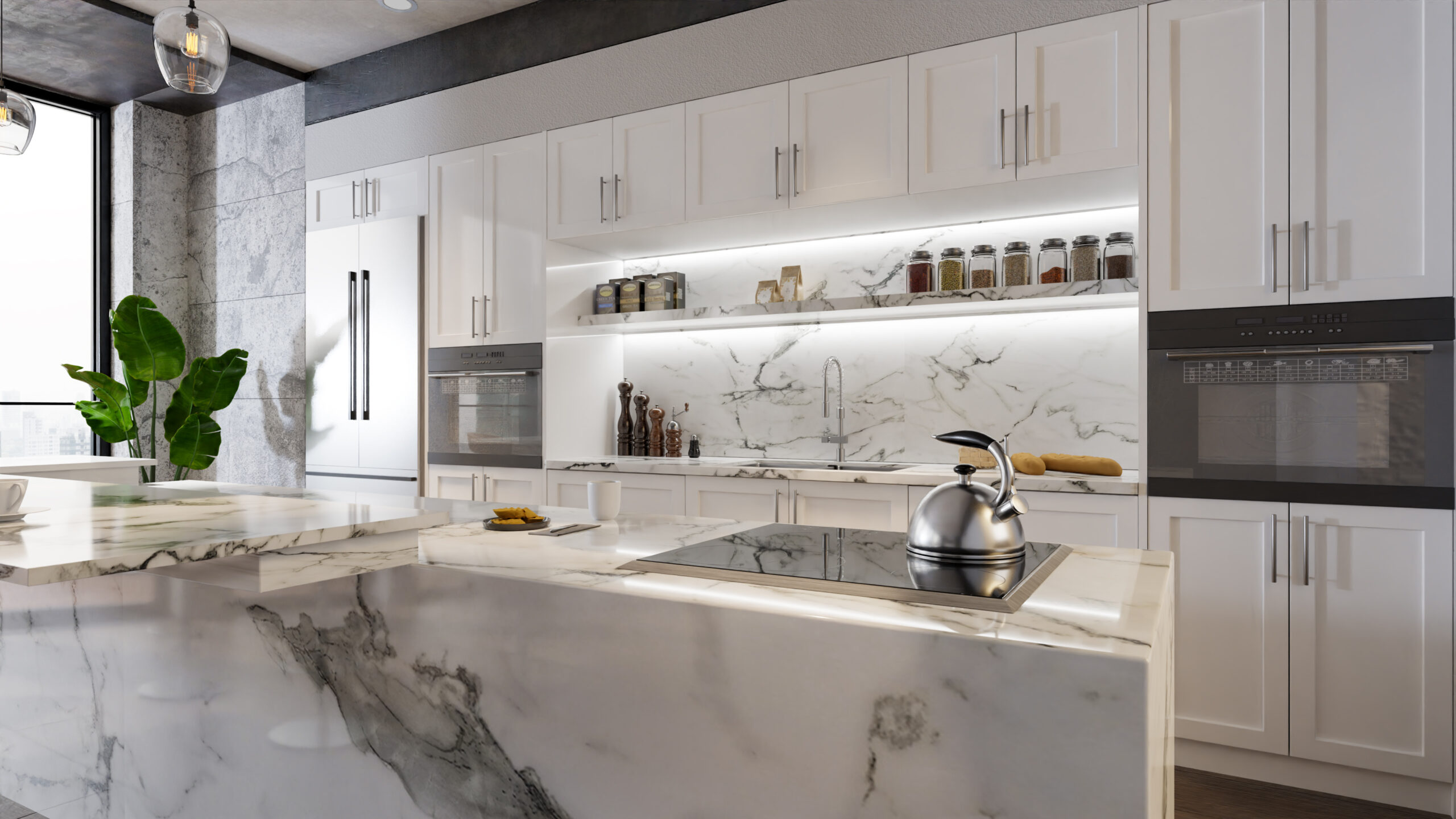
Materials are one of the most visible drivers of home renovation cost, but their pricing is often misunderstood.
In luxury renovations, finishes are not selected solely for appearance. They’re chosen for durability, longevity, and how they perform over time. Those qualities come at different price points.
Consider the difference between:
- Natural stone and engineered surfaces
- Wide-plank hardwood and standard strip flooring
- Imported European fixtures and domestic options
- Large-format tile and basic ceramic installations
The material itself is only one component of cost. Availability, sourcing, shipping, and supply chain volatility all affect pricing — particularly in Vancouver, where many high-end finishes are imported.
Exchange rates, freight charges, and lead times can influence final house reno costs more than homeowners expect.
There’s also the matter of material yield. Natural stone slabs, for example, may require additional material to account for veining direction or potential waste. Large-format tile often increases breakage risk and installation time. Certain hardwood species require longer acclimatization or specialty underlayments.
Material pricing reflects not only what you see on the surface, but the logistics and risk involved in delivering that finish successfully.
4. Labour, Trades & Project Management
In Vancouver’s luxury renovation market, labour is not a minor line item. It is one of the most significant contributors to overall home renovation cost.
High-end projects require experienced trades — carpenters, electricians, plumbers, tile setters, finish installers — who are accustomed to tighter tolerances and more complex specifications. Precision takes time. Time affects cost.
Vancouver’s construction environment also plays a role. Demand for skilled trades remains strong, and experienced crews are selective about the projects they take on. Firms that retain reliable trades typically invest in long-term relationships, consistent scheduling, and clear project leadership.
That leadership is where project management becomes critical.
A luxury renovation involves sequencing dozens of moving parts:
- Coordinating trades in the correct order
- Managing inspection timelines
- Tracking material deliveries and lead times
- Adjusting schedules when scope evolves
- Monitoring budgets against approved selections
When project management is weak, delays compound and costs escalate. When it is structured and proactive, it stabilizes your house reno costs and protects timelines. It may be tempting to view project management as additional overhead, but when done well, it’s an essential factor in cost control.
Ultimately, execution determines whether a renovation feels seamless or stressful.
5. Permits, Engineering & Compliance
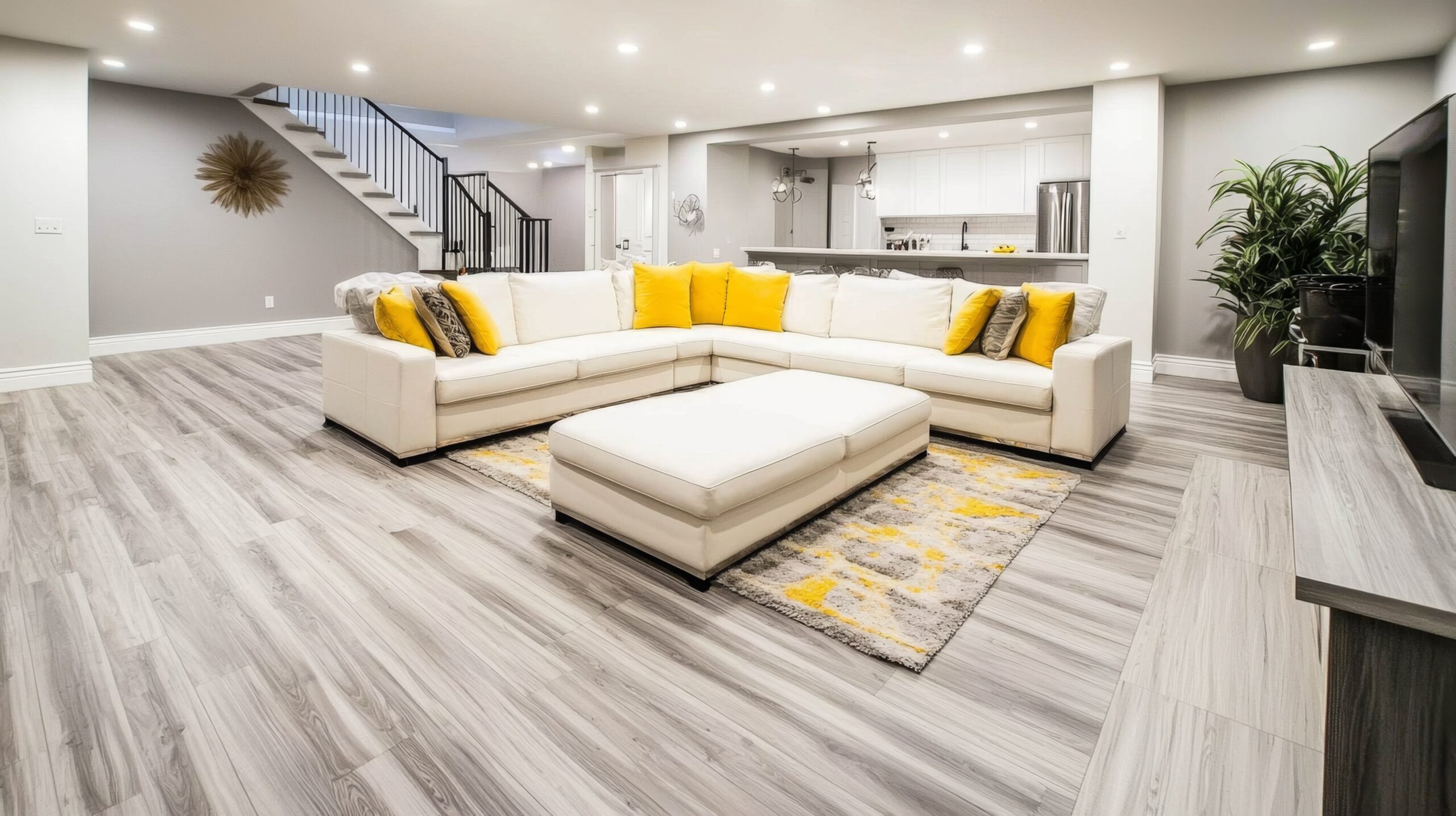
Permits and compliance requirements are another area where home renovation costs can shift quickly, particularly in Vancouver.
Depending on scope, a renovation may require:
- Structural engineering
- Mechanical and electrical permits
- Energy compliance documentation
- Multiple staged inspections
Once structural walls are removed, windows are enlarged, or systems are upgraded, engineering review is often triggered. Municipal approvals take time, and time influences labour scheduling and overall house reno costs.
Vancouver’s regulatory environment is detailed and performance-focused. Projects that align with current building standards tend to move more smoothly through inspections and avoid costly revisions mid-construction.
Early estimates that do not account for engineering, permit fees, or inspection timelines can appear lower at first glance.
6. How to Evaluate Luxury Renovation Proposals
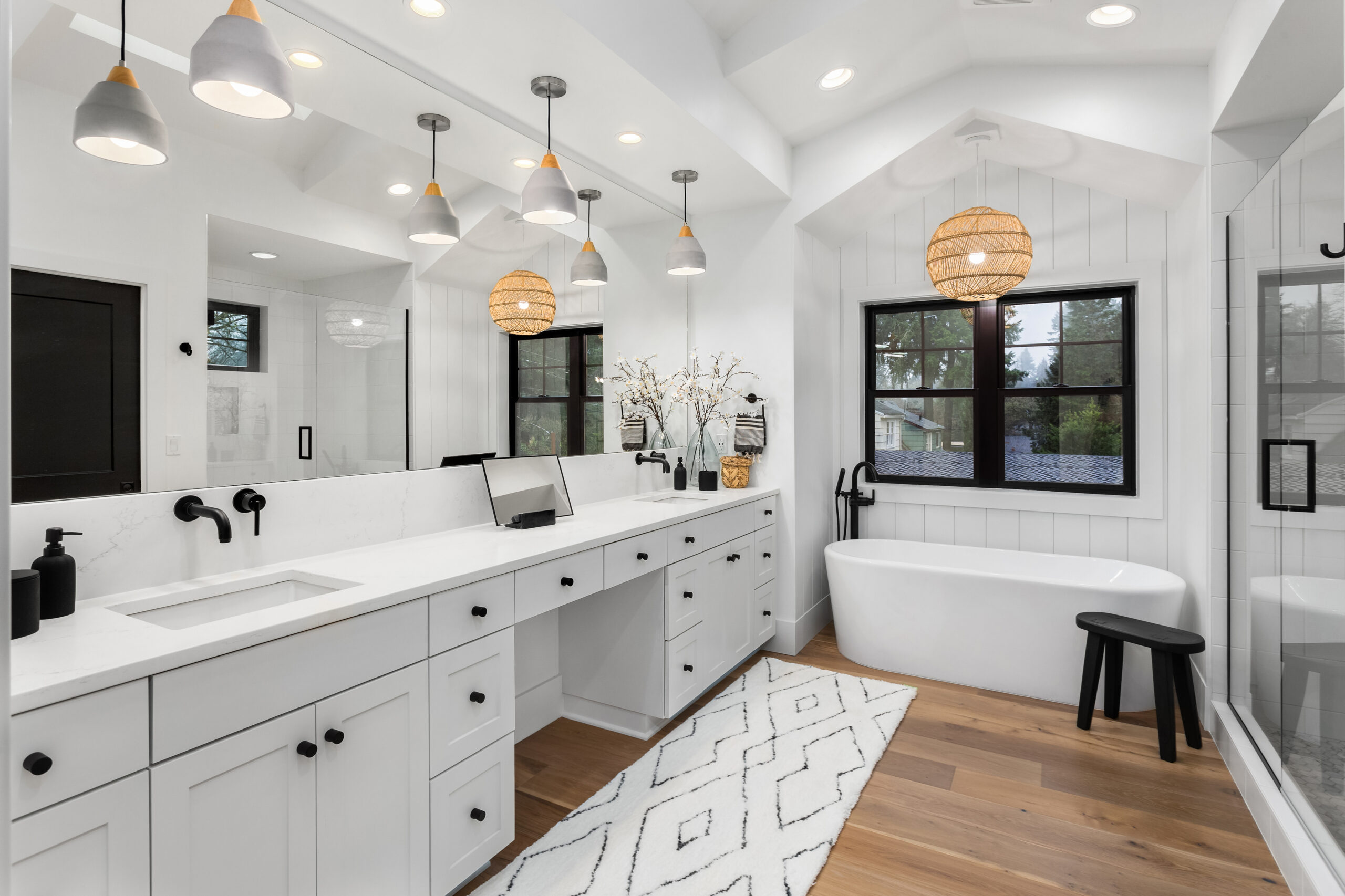
By this stage, the numbers start to make more sense. Understanding home reno costs is only part of the equation; knowing how to evaluate proposals properly matters just as much.
When reviewing a renovation proposal, look for clarity in:
- Scope definition — what is explicitly included (and what is not)
- Allowances — are finish selections realistic for the level you expect?
- Engineering and permit assumptions
- Project management structure
- Contingency planning
Vague allowances and loosely defined scope are often where budgets drift. A proposal may appear competitive upfront but expand once detailed selections are made or construction begins.
Transparent proposals clearly outline assumptions, specifications, and responsibilities. They explain how changes are handled and how costs are tracked throughout the project.
For affluent homeowners investing significant capital, clarity is more valuable than a low starting number.
Well-structured pricing allows you to compare firms properly, anticipate total investment, and move forward with confidence rather than uncertainty.
The Bottom Line
When you understand the factors behind your home renovation cost from the start, you move forward with clarity, alignment, and control — and the finished result reflects it.
maison approaches each project with structured planning and transparent budgeting. We review costs with you line by line, clarify assumptions together, and bring key cost drivers to the forefront from the outset.
Planning a renovation? Let’s start the conversation with transparency.