
Renovations
How to Use Sustainable Materials in Your Home Renovation Project
May 7, 2026
Most renovations focus on how a space will look when it’s finished. Fewer consider how those choices will perform over time. What lasts. What wears out. What ends up in a landfill five years later.
That’s where sustainable materials come into the conversation. Not as a trend, but as a practical way to build with longevity in mind.
In Vancouver and across British Columbia, this shift is becoming more visible. Building standards are evolving. Energy performance requirements are increasing. Homeowners are paying closer attention to how materials are sourced and how long they last.
Sustainable materials give you more control over those outcomes. The right choices can reduce waste, improve energy performance, and hold up under daily use.
Let’s look at how to approach a renovation with that mindset, and where sustainable materials can make the biggest impact.
Start With What You Keep
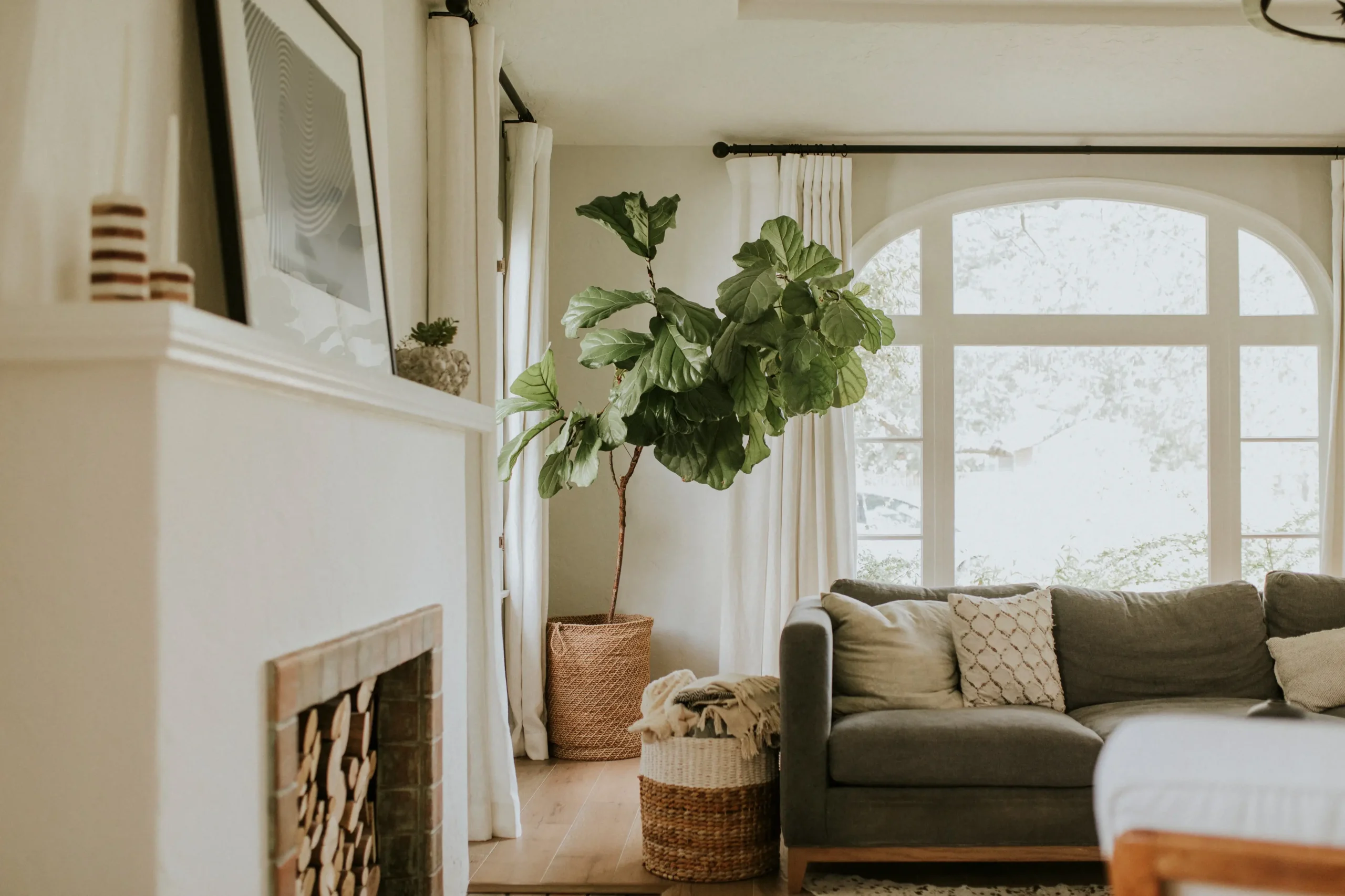
Sustainable renovations don’t always start with what you add. They often start with what you keep.
Retaining existing structures, layouts, or materials where it makes sense can significantly reduce waste. Walls that don’t need to move. Cabinet boxes that are still solid. Flooring that can be refinished instead of replaced.
This approach also reduces the amount of new material required, which lowers both environmental impact and project cost.
In Vancouver, where many homes are being updated rather than rebuilt, this kind of decision-making plays a big role. Keeping what still performs well allows you to focus your investment on the areas that truly need it.
When evaluating your renovation, it’s worth asking a simple question early on. What can stay, and still meet the standard you want for the finished space?
Choose Materials That Last
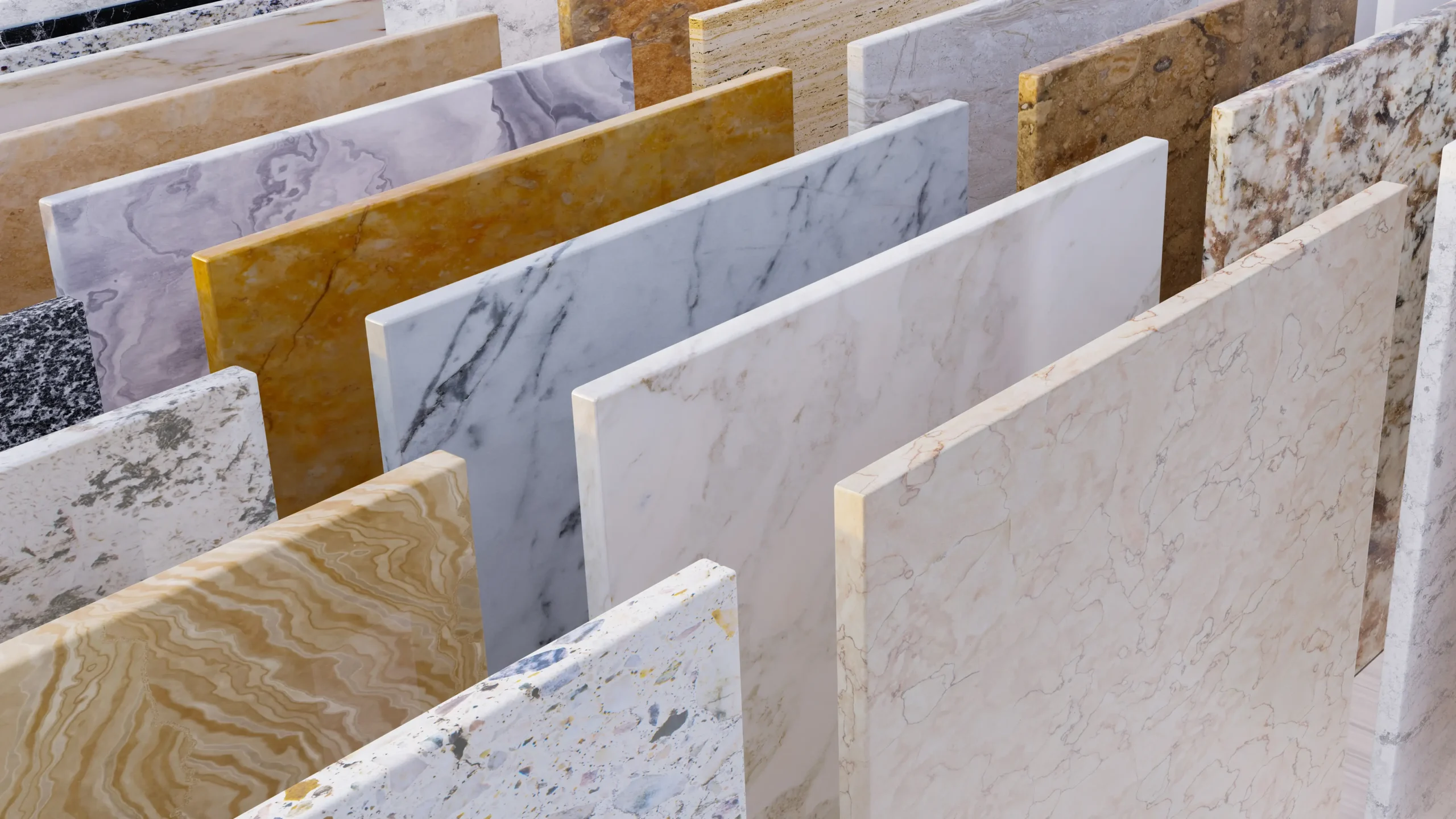
Durability plays a major role in how sustainable a renovation is. Materials that need to be replaced in a few years create more waste and more cost over time.
Long-lasting materials reduce that cycle. These choices tend to cost more upfront. But they perform better over time, tend to have a timeless quality, and reduce the need for future replacements:
- Solid hardwood flooring that can be refinished over time
- Natural stone such as marble, granite, or quartzite
- High-quality tile, including porcelain or ceramic with low wear rates
- Solid wood or plywood cabinetry instead of particleboard
- Metal fixtures with durable finishes like brass or stainless steel
- Engineered surfaces designed for long-term performance
In a well-planned renovation, sustainable materials are often the ones that continue to look and function well years after the project is complete.
Use Reclaimed and Salvaged Materials
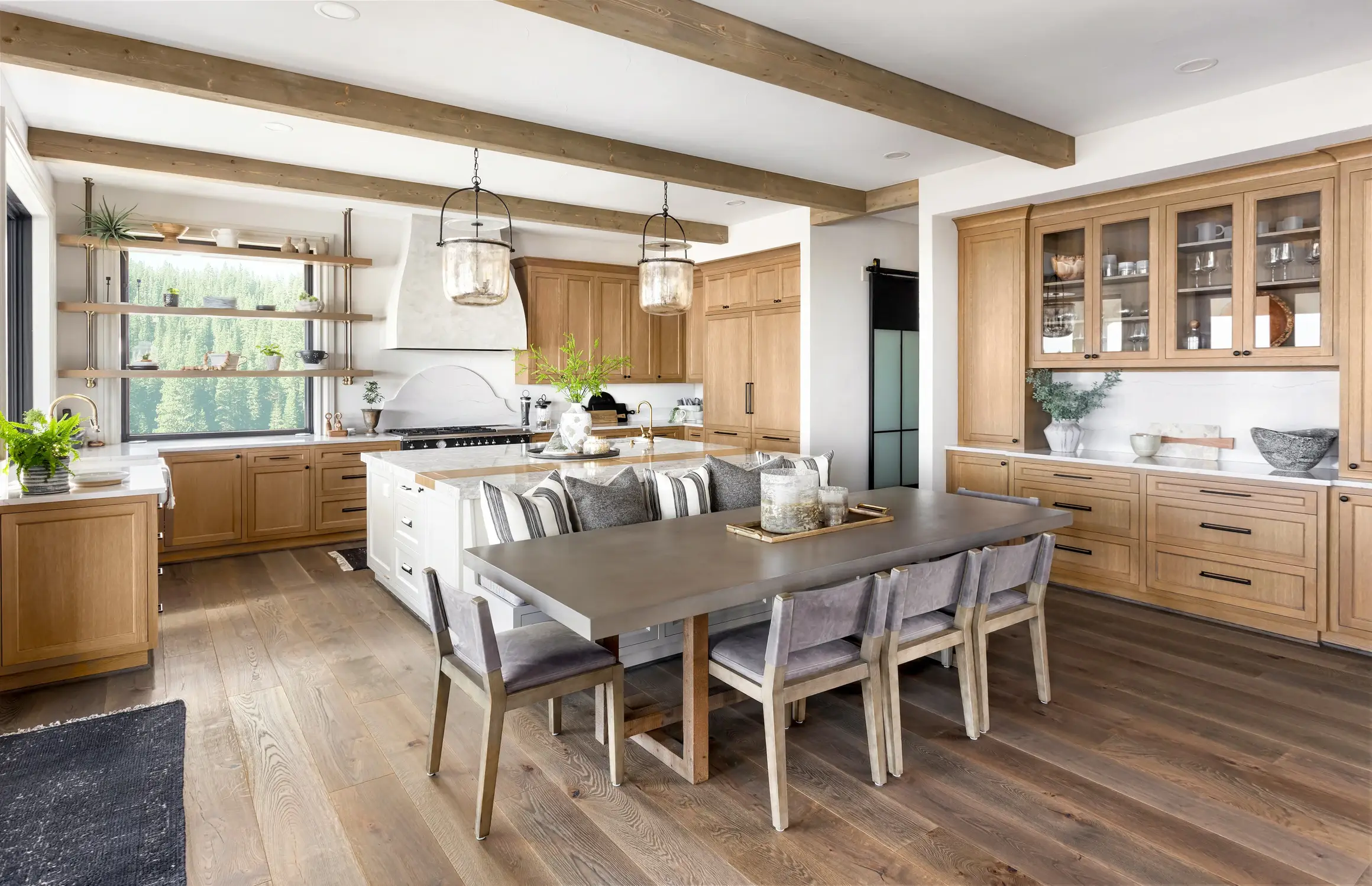
Reclaimed materials offer a way to reduce demand for new resources while adding character to a space. They bring history with them. Texture, variation, and details that are difficult to replicate with new products.
Common applications include reclaimed wood for flooring or beams, salvaged doors, and vintage fixtures that can be restored and reused.
In many cases, these materials also perform well. Older wood, for example, is often denser and more stable than newer cuts. With proper preparation, reclaimed elements can meet the same functional standards as new materials.
Used thoughtfully, reclaimed materials can support both sustainability and design. They reduce waste, extend the life of existing resources, and introduce a level of depth that newer materials often lack.
Prioritize Low-Impact Materials
Not all new materials are created equal. Some require significant energy to produce, transport, and install. Others are designed to reduce that impact from the start.
Low-impact materials focus on responsible sourcing and healthier indoor environments.
Look for options such as:
- FSC-certified wood from responsibly managed forests
- Recycled or recycled-content materials
- Low-VOC paints, adhesives, and finishes
- Locally sourced materials that reduce transportation impact
These choices don’t always change how a space looks. But they do change how it performs. Lower emissions. Better indoor air quality. A smaller environmental footprint over the life of the home.
When selecting sustainable materials, understanding where they come from and how they’re made can be just as important as how they look.
Design for Energy Performance
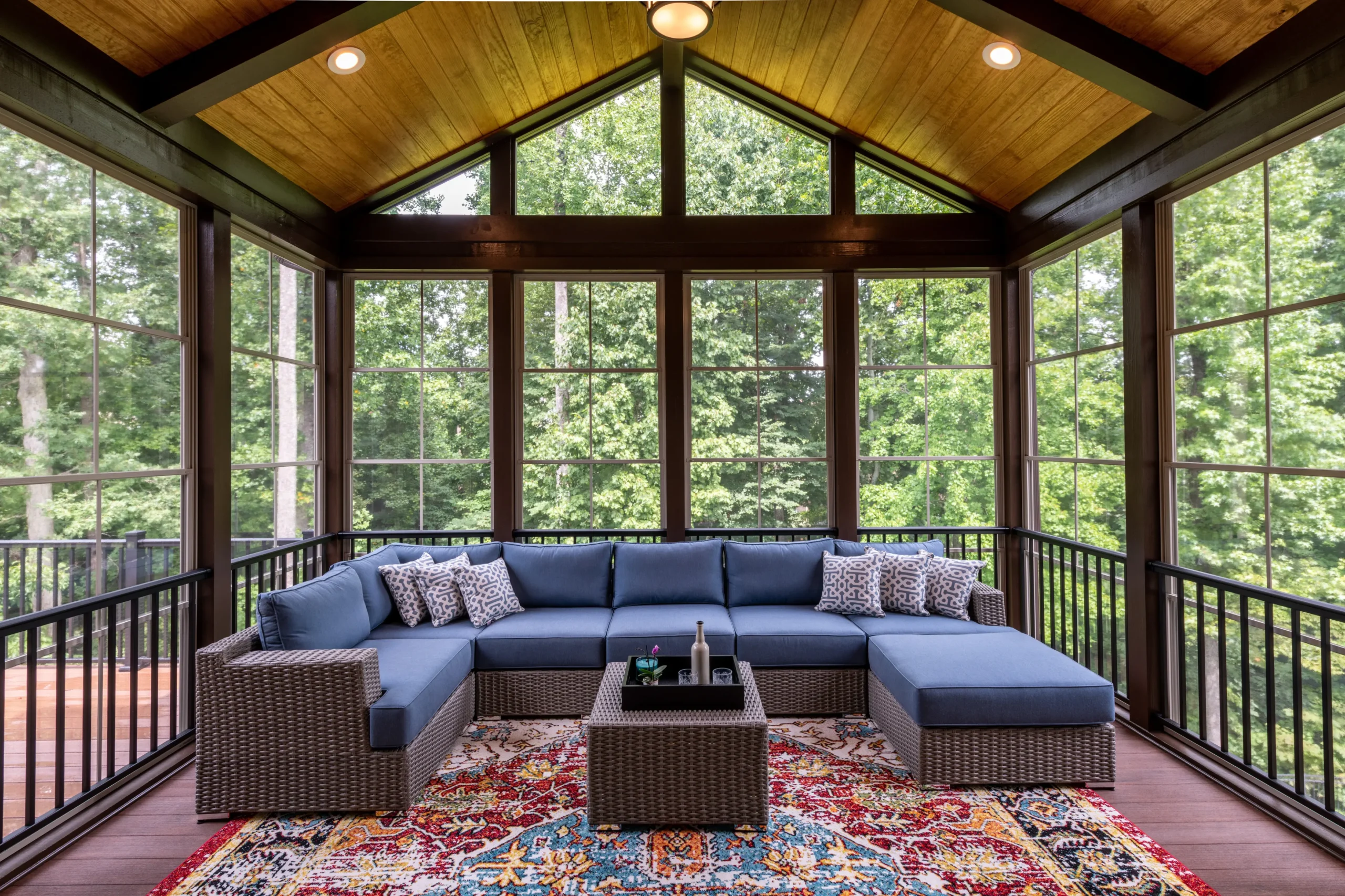
Sustainable materials don’t stop at finishes. Some of the most important decisions happen behind the walls.
Insulation, windows, and air sealing all play a role in how a home performs over time. Better-performing materials reduce energy loss, improve comfort, and lower long-term operating costs.
In British Columbia, this has become a growing focus. Programs like the BC Energy Step Code are pushing new construction and renovations toward higher levels of energy efficiency and airtightness.
In practice, that can mean:
- Upgrading insulation to improve thermal performance
- Installing high-performance windows with better seals and glazing
- Improving air sealing to reduce drafts and heat loss
These upgrades may not always be visible once the project is complete. But they have a lasting impact on how the home feels and performs every day.
The Bottom Line: Build Smarter From the Start
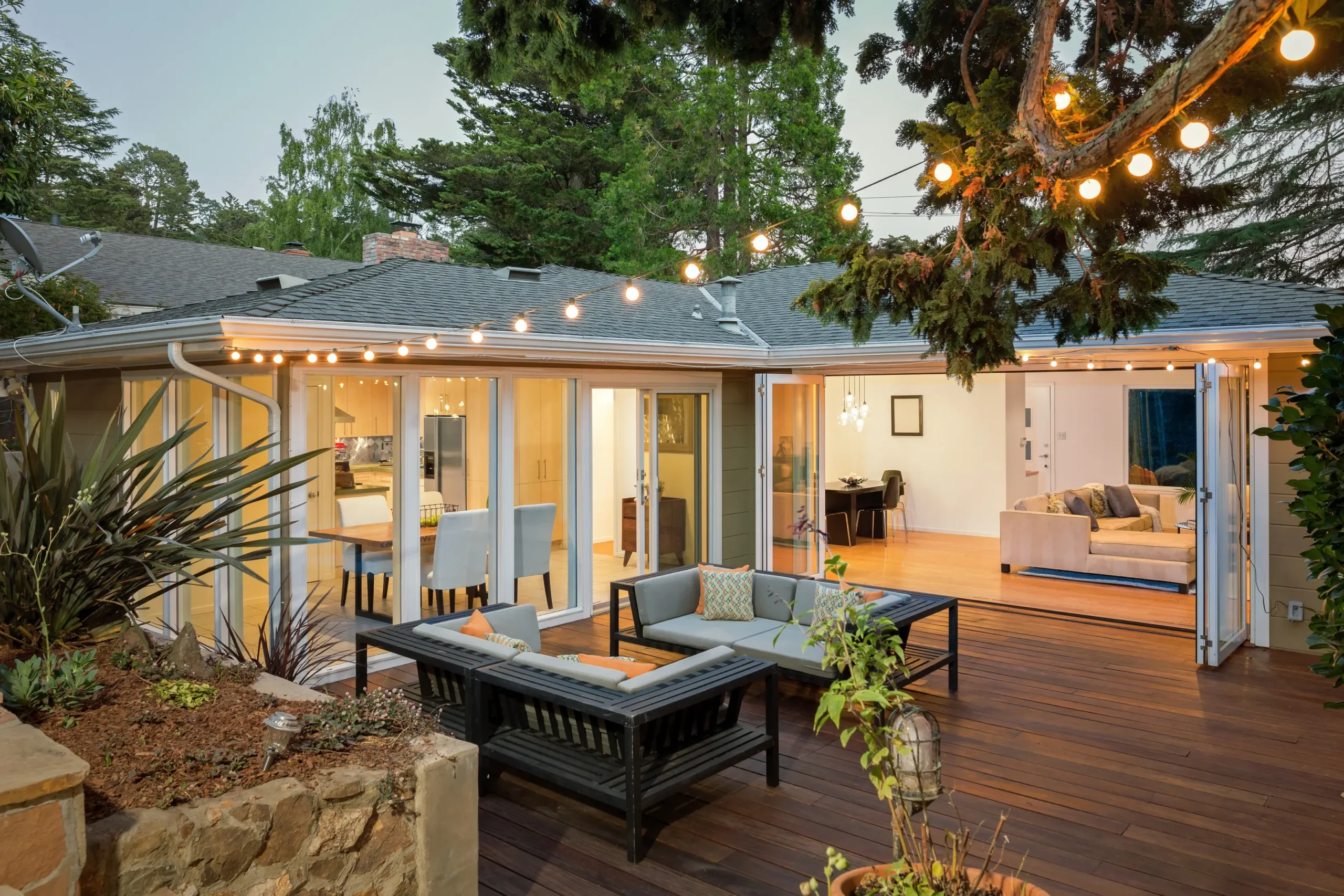
Sustainable materials come down to the decisions you make early. What you keep. What you replace. What you choose to invest in.
Some choices reduce waste. Others improve performance. Many do both.
When these decisions are made with intention, the result is a home that lasts longer, performs better, and requires fewer changes over time.
If you’re planning a renovation, the team at maison’detre can help you evaluate your options and build a project that reflects both your priorities and the long-term performance of your home.