
Interior Design●Renovations
Designing a Home That Feels Good to Gather In for the Holidays
November 1, 2026

Holiday gatherings change the feel of a home. This article explores how whole-home renovation decisions can make those winter get-togethers feel more welcoming.
The Short Answer: What makes a home feel good to gather in for the holidays?
Good home design for entertaining helps people feel comfortable once the house fills up. During a renovation, consider how sound travels, whether the lighting can shift to a softer feel after dark, and how the home stays comfortable as the gathering goes on. These details make it easier for guests to settle in, hear one another, and enjoy the evening.
At a holiday gathering, you’re not hosting by yourself. Your home is a quiet co-host, shaping the evening before anyone notices the décor: how easily people hear one another, how warm the light feels after dark, and whether the home stays comfortable as it fills.
When those things work, guests settle in. When they don’t, people feel it, even if they can’t name it. Thoughtful renovation helps your home play that co-host role well, making the whole gathering feel relaxed and welcoming.

Help Holiday Conversations Rise Above the Noise: The Overlooked Role of Sound
Sound is one of the things we rarely think about when planning a renovation. We consider how a room will look and feel, but we also plan for how it sounds.
Hard surfaces send sound back into the room. With tile or polished concrete floors, smooth painted drywall, and few soft surfaces, holiday conversations and music can overlap until it’s harder to follow what someone is saying. Carpet with underlay absorbs more sound than tile or concrete, while purpose-designed acoustic panels on walls or ceilings can help soften echoes.
You don’t have to cover every surface in something soft. Think about where sound is bouncing and build some absorption into the renovation. Soft surfaces and acoustic panels can reduce echo inside a room. They won’t, on their own, stop voices from carrying into other rooms; that requires changes to how the walls, floors, or ceilings are built and sealed.
Make Winter Lighting Work for More Than One Mood
By December, holiday gatherings often carry on well after the sun goes down. If the home has one setting, bright overhead lights can make the evening feel a little stark. Layered lighting gives you more flexibility: ambient light provides a comfortable background, task lighting helps when people need to see clearly, and accent lighting adds warmth and depth.
With dimmers, the same space can shift from bright enough for dinner to softer for lingering conversation. It’s a small detail that can make a long winter evening feel more relaxed. During a renovation, plan the lighting controls alongside the fixtures, and check that the dimmers are compatible with the LED lights you choose.
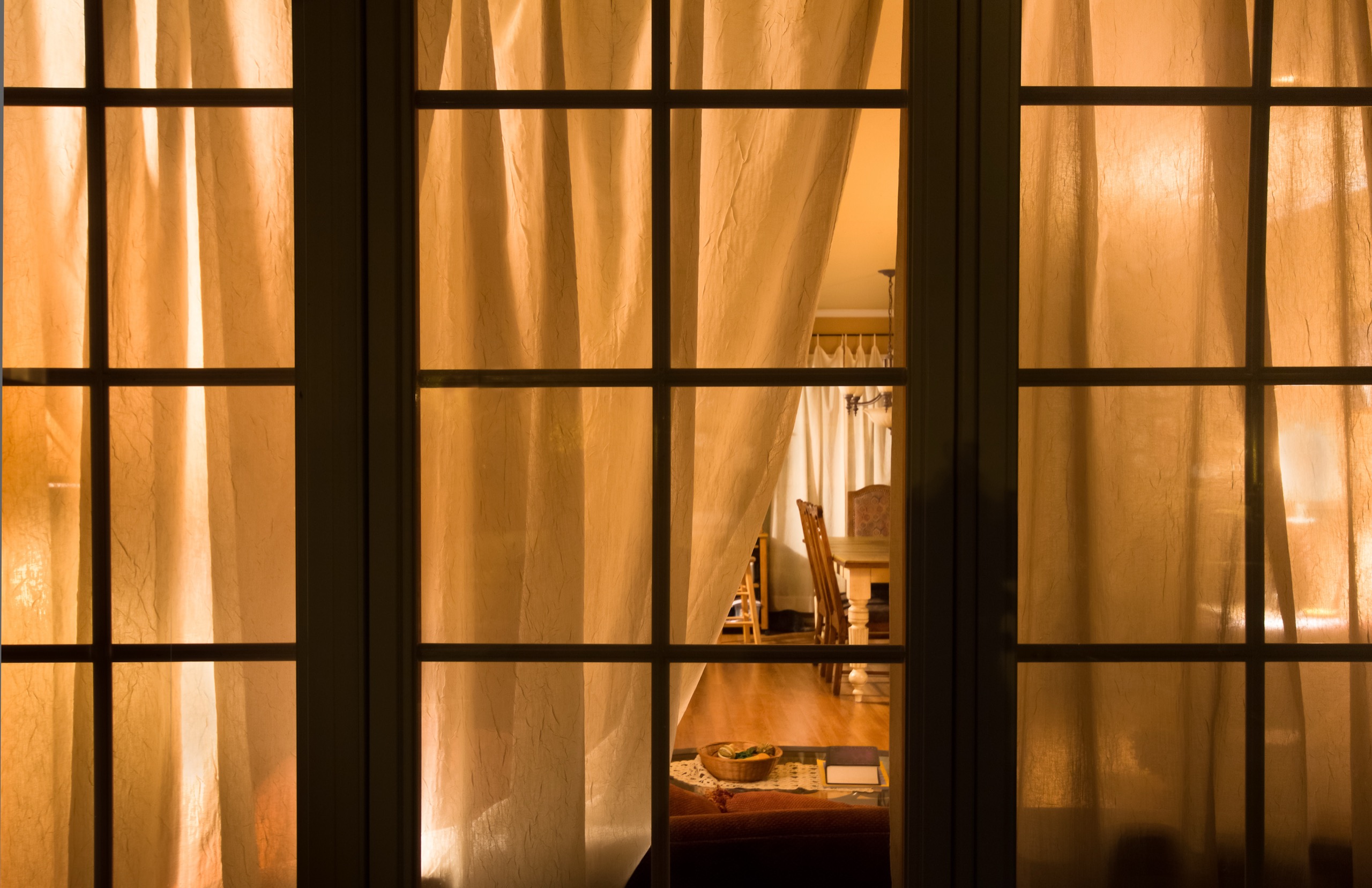
Keep Guests Comfortable Through a Long Holiday Evening
Nobody wants the house to feel drafty or stuffy once everyone settles in. Start with the small signs: a cold spot near a window, a door that lets in a draught, or a room that never seems to warm evenly. Weather-stripping, sealing gaps around frames, clearing vents, and servicing the heating system may help. If a window or exterior door is past its best, a focused update could make a good small-scale renovation. With a contained scope and materials ready, this kind of work may fit within a four-to-six-week project window.
For a larger renovation, the building envelope, heating, and ventilation need to be considered together. The envelope is the home’s outer shell, including windows, doors, walls, roof, insulation, and air sealing. Planned envelope upgrades can affect what heating equipment a home needs, so a renovation team can help decide how much work makes sense.
Choose Finishes That Feel Warm Throughout the Season
Holiday decorations bring the season into a home, but the permanent finishes set the backdrop. A focused update, such as replacing worn flooring or adding millwork, can bring more warmth and character to the home without changing its layout.
Choose materials and colours that feel festive alongside holiday lights and greenery, then still feel right once the decorations come down. That way, the home feels ready for a gathering without looking dressed for only one time of year.
FAQs About Designing a Home for Holiday Gatherings
Q: How can I reduce echo before holiday guests arrive?
A: Carpet with underlay, draperies and purpose-designed acoustic panels can absorb more sound than tile, polished concrete, or smooth painted drywall. These choices can soften echoes inside a room, though they won’t stop sound travelling between rooms.
Q: What lighting helps a home feel welcoming after dark?
A: Layered lighting gives you options: general light for the home, task lighting when people need to see clearly, and accent lighting for warmth and depth. Dimmers let you soften the light as the evening goes on. During a renovation, check that the dimmers are compatible with the LEDs you choose.
Q: What renovation work can fit into a four-to-six-week window?
A: Some focused projects, such as a targeted window or exterior-door update or a lighting and electrical upgrade, or a bathroom reno may fit that timeframe. Materials, permits, and site conditions affect the schedule, so confirm the scope and timeline with your renovator before setting a holiday date.
Q: Can we stay in our home while renovation work is underway?
A: Often, yes, but it depends on the work area and whether water, heat, or electricity will be interrupted. Discuss access, dust control, and work hours with your renovation team before construction begins.

Conclusion
Your home is already part of the hosting. Thoughtful renovation choices can help it feel more comfortable and welcoming when the holidays bring everyone together. If a drafty window, echoing room, or lighting that never quite feels right has been on your mind, Maison d’etre can help you find a practical scope for the work, from a focused update to a larger renovation.