Renovations
From Vision to Reality: How a Design-Build Approach Simplifies Your Renovation
January 21, 2026
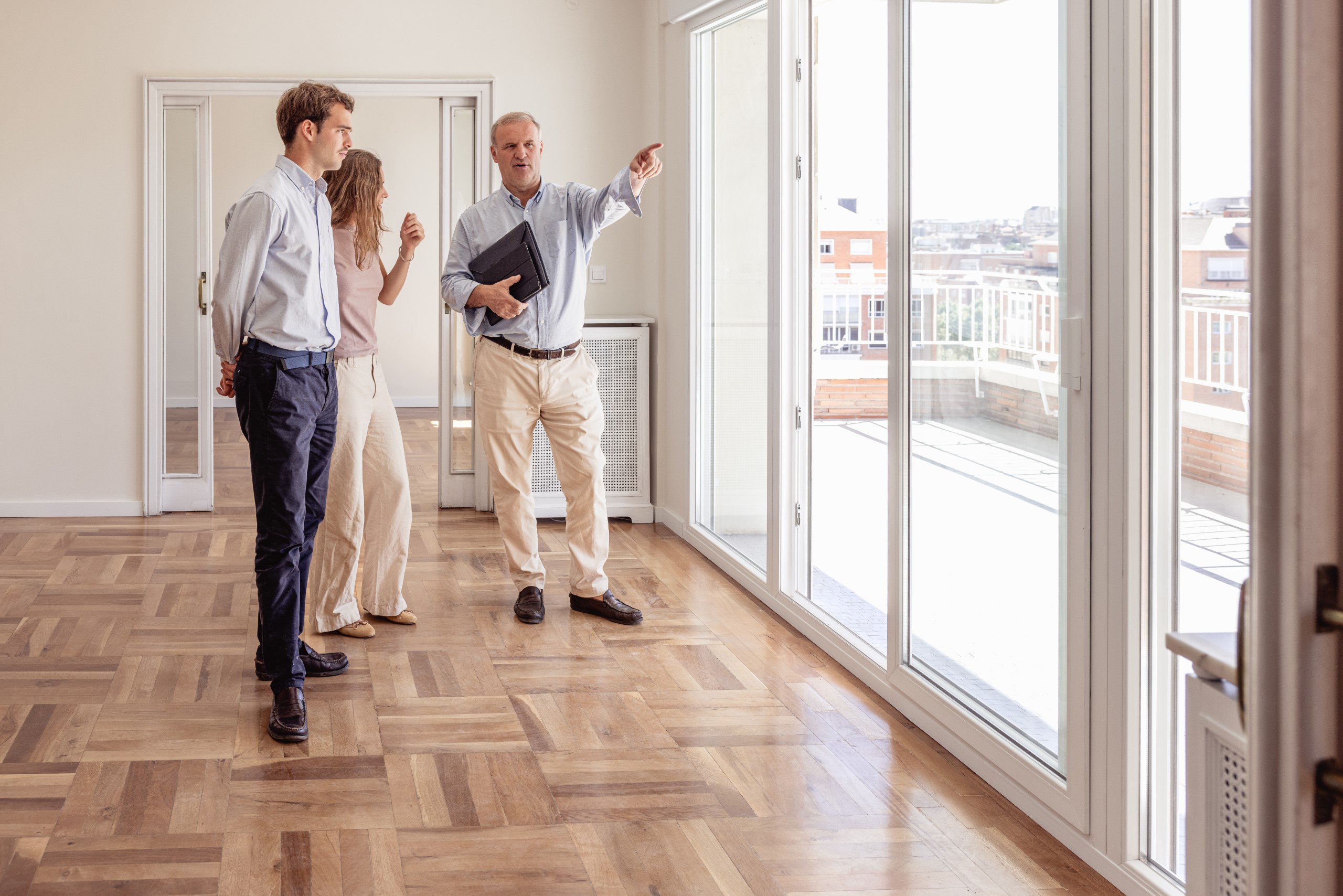
Renovating a home often starts with excitement, but ends with exhaustion. Homeowners fall in love with a concept, only to discover later that the budget doesn’t support it, timelines stretch, or key details were misunderstood between designer and contractor. The friction usually isn’t the renovation itself. It’s the fragmented process behind it.
That’s where a design-build approach changes the equation. By placing design and construction under one integrated team, the same group shapes the vision, manages the budget, and executes the build. Plans aren’t handed off and reinterpreted. They’re carried through with continuity. The result is a renovation process that feels more controlled, transparent, and predictable.
What Design-Build Really Means
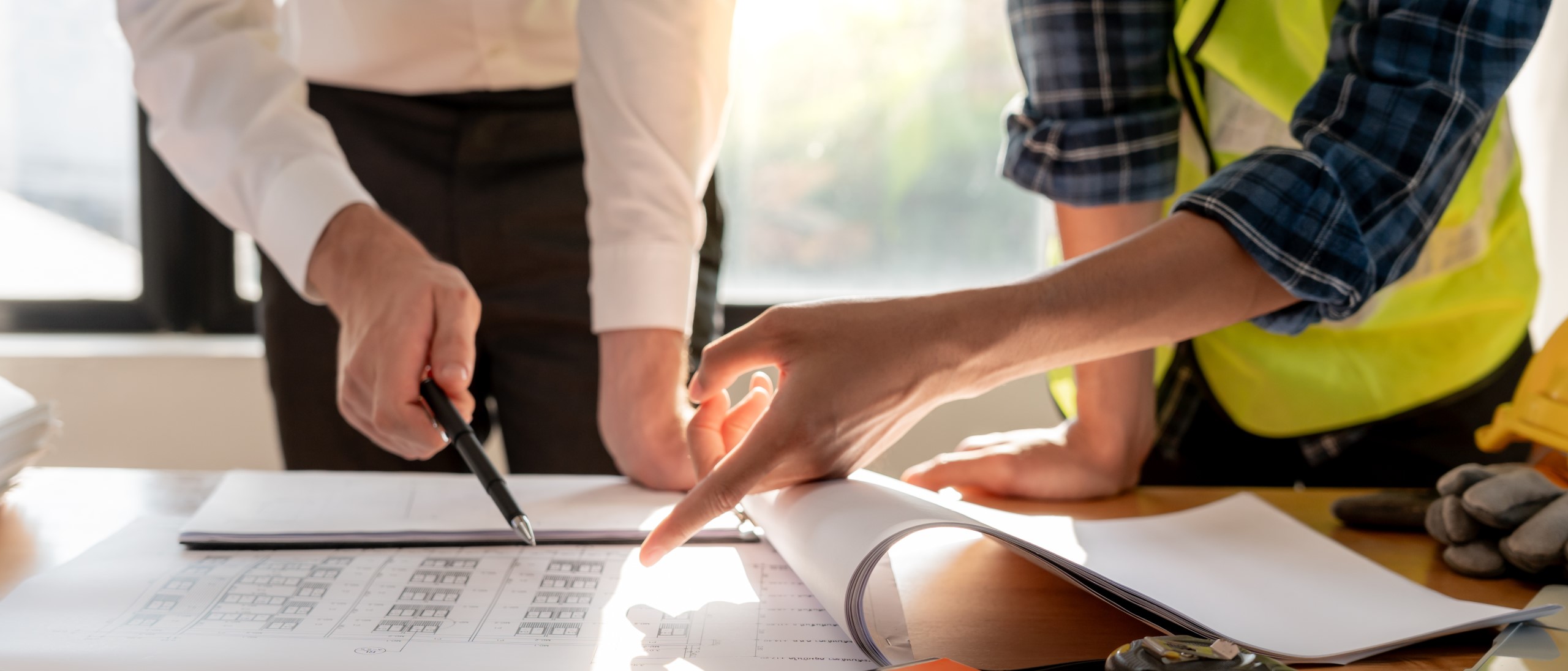
In a traditional model, design and construction operate independently. A designer develops plans based on creative intent, then contractors price and interpret those plans later.
With a design-build model, feasibility, cost, scheduling, and craftsmanship are evaluated during the design phase, not after. Designers collaborate directly with builders, ensuring ideas are grounded in real-world execution from the start.
Decisions happen faster, risks surface earlier, and the homeowner benefits from a single point of accountability rather than managing multiple vendors.
For our clients, this structure creates clarity. There’s one team responsible for outcomes, one communication flow, and a unified strategy guiding every choice.
Budget Control Without Creative Sacrifice
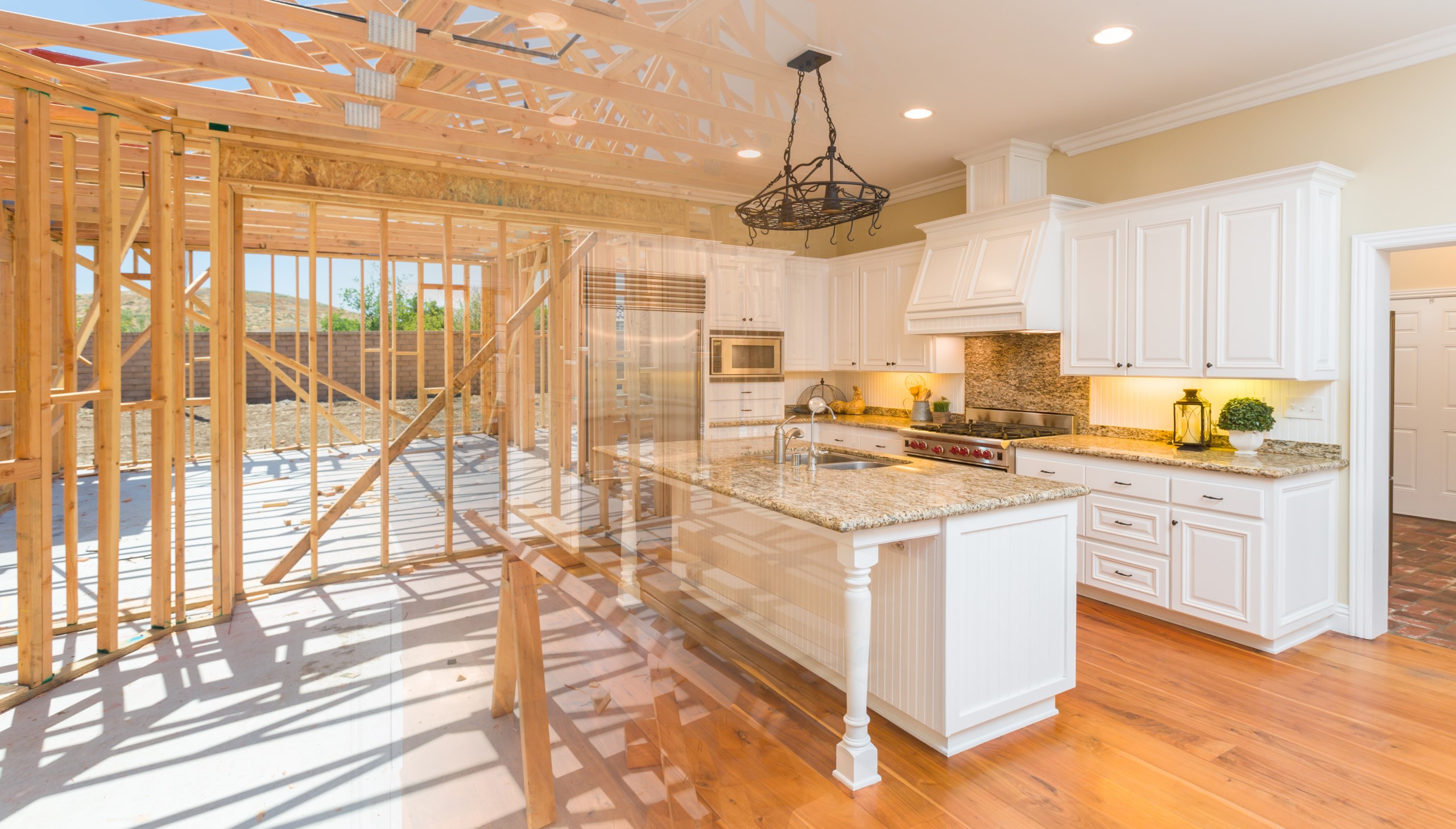
One of the biggest concerns homeowners bring into a renovation is watching their original vision shrink once the buget starts to inflate. A layout looks great on paper, then structural changes, electrical upgrades, or long material lead times quietly push costs higher. In a traditional setup, those surprises often surface late, forcing rushed redesigns or tough compromises.
In a design-build project, budget awareness is built into the creative process from the start. Take a recent whole-home renovation in West Vancouver. The homeowners wanted an open layout that required moving load-bearing walls and upgrading electrical capacity. Because the builder was involved during design, those structural and permitting costs were identified early. The team adjusted beam placement and material selections before construction began, protecting the design intent while keeping the project financially grounded.
This is where design-build becomes practical. Homeowners get clear feedback on how choices affect cost, timing, and complexity before committing. Wide-plank flooring comes with lead-time considerations. Custom millwork affects fabrication schedules and installation sequencing. Those realities get discussed upfront instead of becoming mid-project surprises.
Design-build gives homeowners control over where to invest for long-term value, while reducing the risk of budget creep caused by late changes, redesign fees, and avoidable delays.
A Smoother Path From Concept to Construction
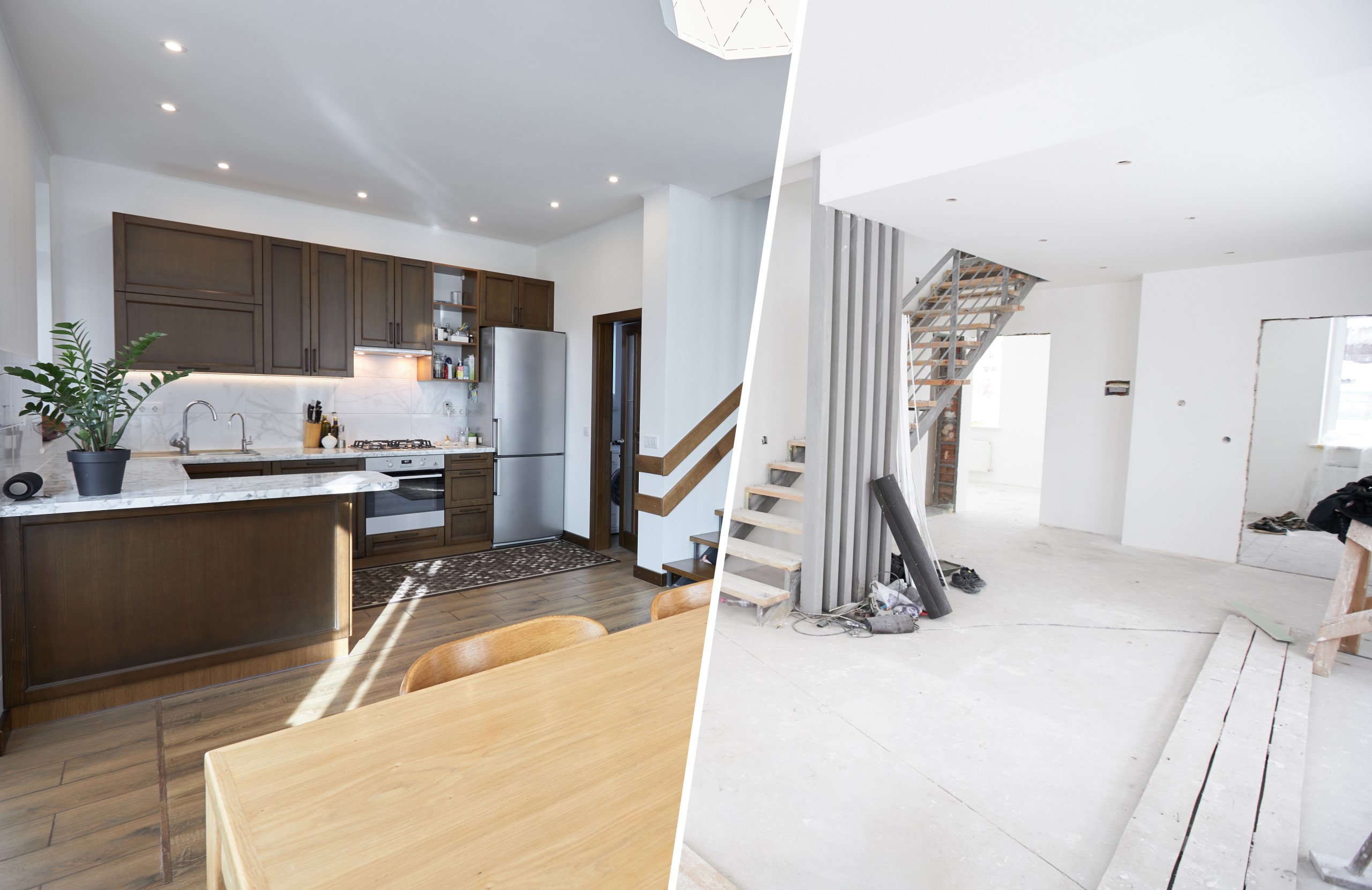
A design-build team reduces friction by stress-testing the project before construction begins. Structural constraints, zoning setbacks, mechanical routing, heritage requirements, and sequencing challenges are reviewed collaboratively during design. Builders flag construction realities early. Designers adapt solutions before drawings are locked. Problems get solved on paper instead of on site.
We see this often in older Vancouver homes where framing, insulation, and existing services rarely match original plans. When the build team has already reviewed access points, ceiling cavities, and load paths during design, adjustments happen quickly and calmly instead of disrupting schedules mid-build.
For firms like maison d’etre, the integrated design-build model supports a refined level of execution where details are intentional, materials are thoughtfully selected, and the finished environment reflects the original design vision without dilution.
From Vision to Reality
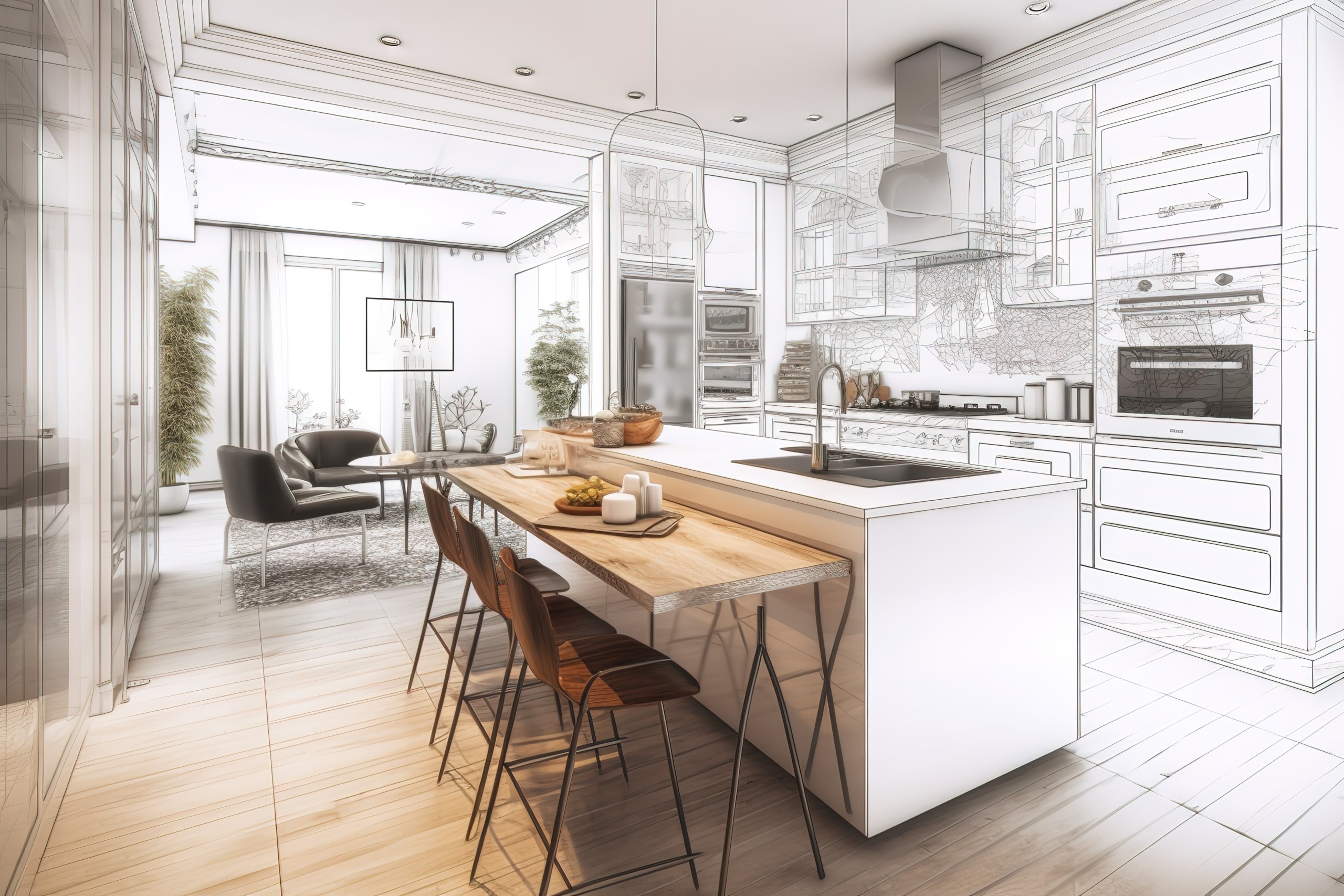
The design-build approach aligns creativity, engineering, budgeting, and craftsmanship into a single cohesive process. It transforms renovation from a series of handoffs into a continuous collaboration.
At maison d’etre, our integrated approach to home renovation design and build allows clients to move forward with clarity, confidence, and control, knowing that the same team shaping the vision is responsible for delivering it with precision and care.
Reach out to start a conversation about your space, your goals, and how a design-build renovation can bring your vision to life.