
Uncategorized
How Older Properties Can Transition Into Zero-Net Energy Homes
July 1, 2026
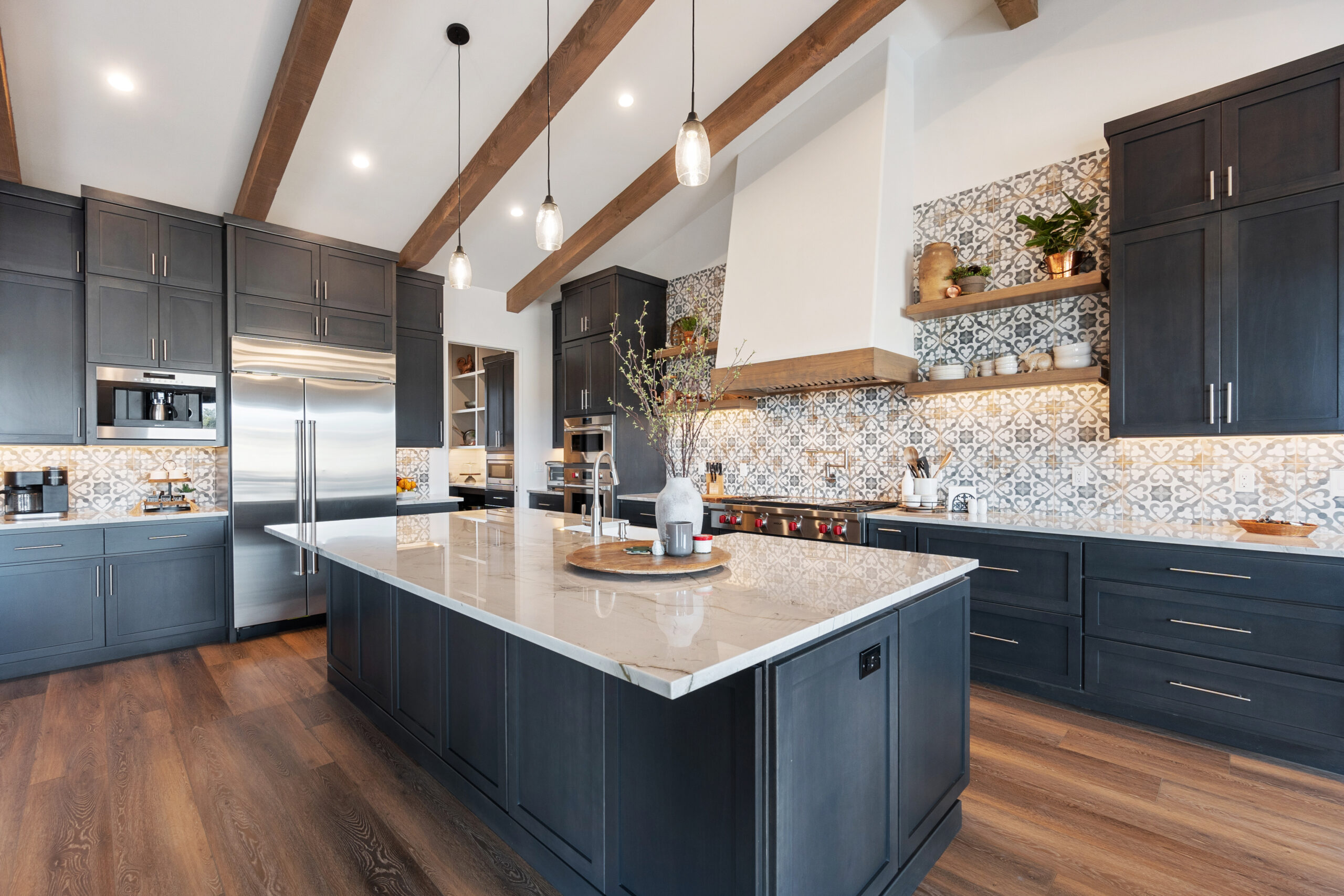
Many older homes were built to last. The bones are solid, the character is irreplaceable, and the craftsmanship is often something you simply can’t replicate in new construction. What they weren’t built for is the energy performance we expect today.
For eco-minded homeowners, transitioning an older property toward zero net energy homes standards is becoming a realistic goal, not just an aspirational one.
The Canadian Home Builders’ Association recognizes Net Zero Renovations through its Net Zero Home Labelling Program, applying the same performance requirements to existing homes as new builds. Net zero means the home produces as much clean energy as it consumes each year through on-site renewable systems.
Getting there with an older property takes more than a list of upgrades. It takes a strategy that looks at the whole home, balancing performance with preservation, so the result feels like the home you wanted to keep, just one that works considerably better.
Turning Older Properties Into Zero Net Energy Homes
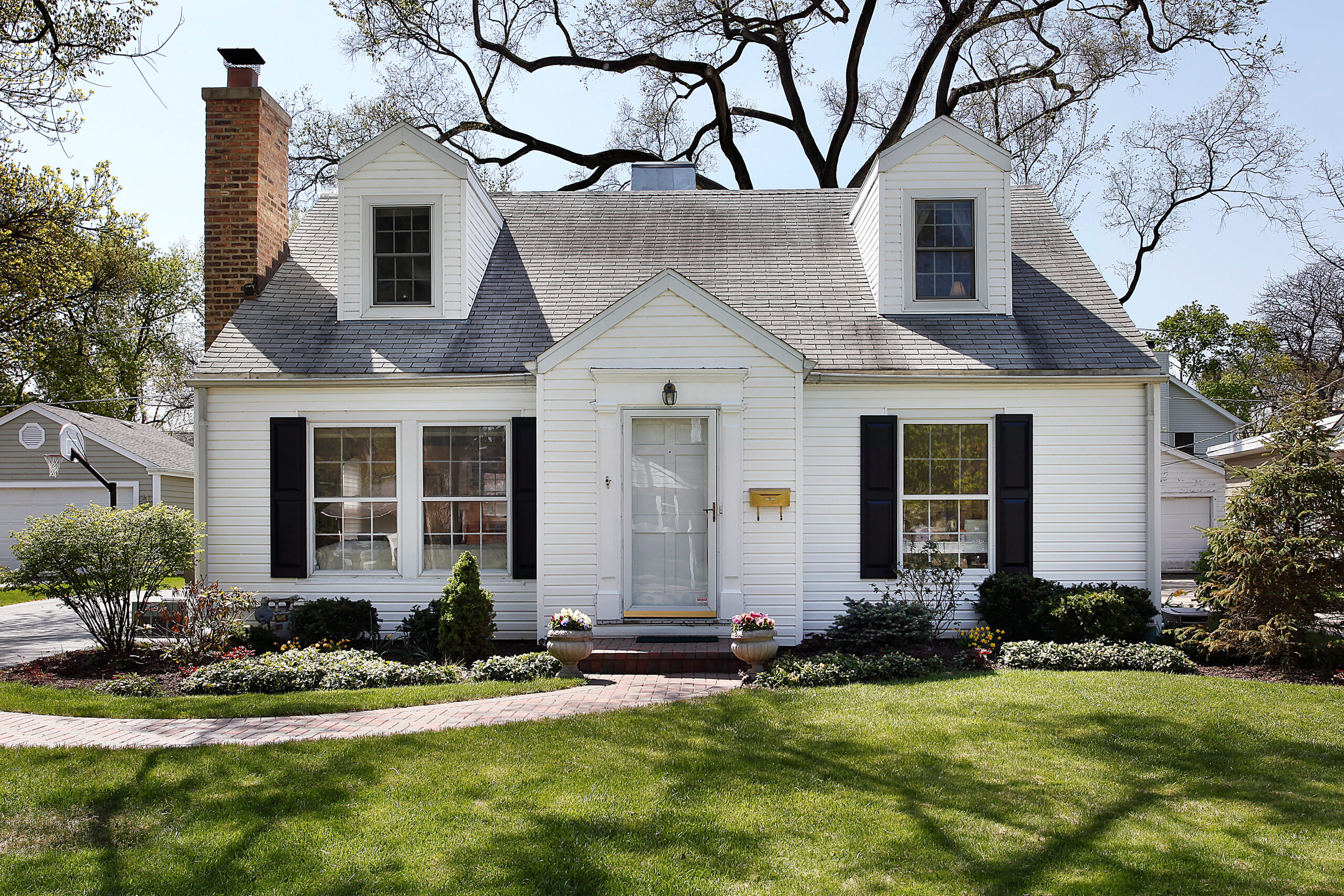
A new high-performance home starts with a clean slate. Older homes ask for more care. That gap is exactly where the opportunity lives.
Drafty rooms, uneven insulation, aging windows, outdated electrical capacity, mechanical systems never designed for today’s efficiency expectations. These aren’t dealbreakers, but they need to be understood before anything else happens. The first step is knowing where energy is being lost and which upgrades will make the biggest difference.
That work begins with the building envelope: the roof, walls, windows, doors, foundation, and air sealing. In Canada, space and water heating accounted for 79% of household energy use in 2020, according to Natural Resources Canada. Heat loss is the problem to solve before anything else.
Solar panels may be part of the final plan, but they shouldn’t be asked to compensate for a leaky, inefficient home. Reduce demand first. Improve comfort. Then size renewable systems around a home that already performs well.
Upgrade the Systems That Do the Heavy Lifting
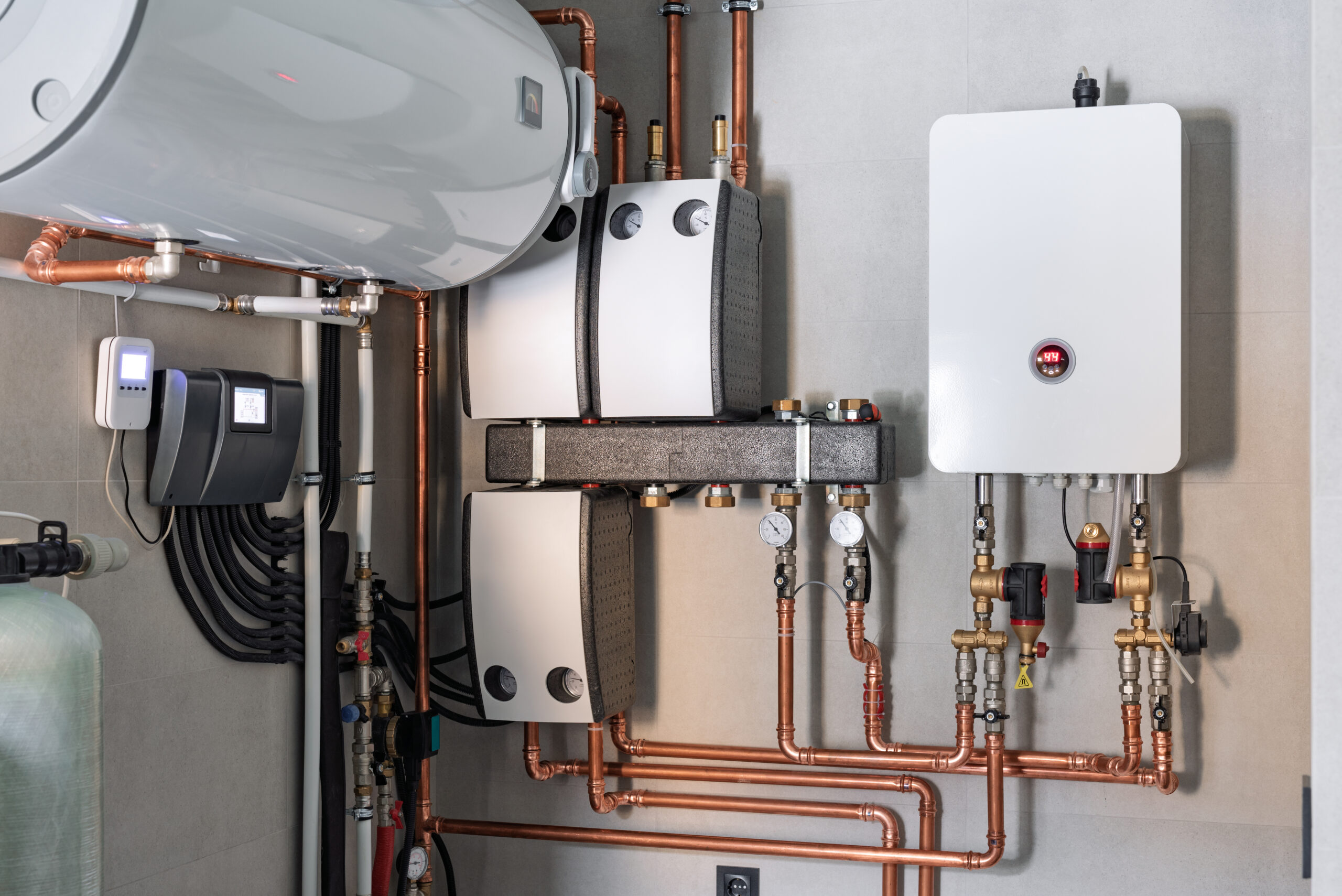
Once the envelope is tightened, attention shifts to the systems that run the home every day.
In older properties, heating, cooling, ventilation, water heating, and electrical capacity were often added in stages over decades. A furnace here, a panel upgrade there, systems layered on without a coordinating plan. The result is a home that works, but not one that works efficiently as a whole, and certainly not one on a path toward zero net energy homes.
Addressing that requires looking at everything together. A heat pump can significantly reduce energy use, but it needs the right insulation and air sealing behind it to perform. Better ventilation improves indoor air quality, but it has to be designed around the home’s actual layout. Electrical upgrades may be necessary before solar, EV charging, or more efficient mechanical systems can be added at all.
The goal isn’t to make the home feel complicated. It’s to make the systems quieter, cleaner, and better coordinated, so the house feels easier to live in.
Preserve the Character That Made the Home Worth Keeping
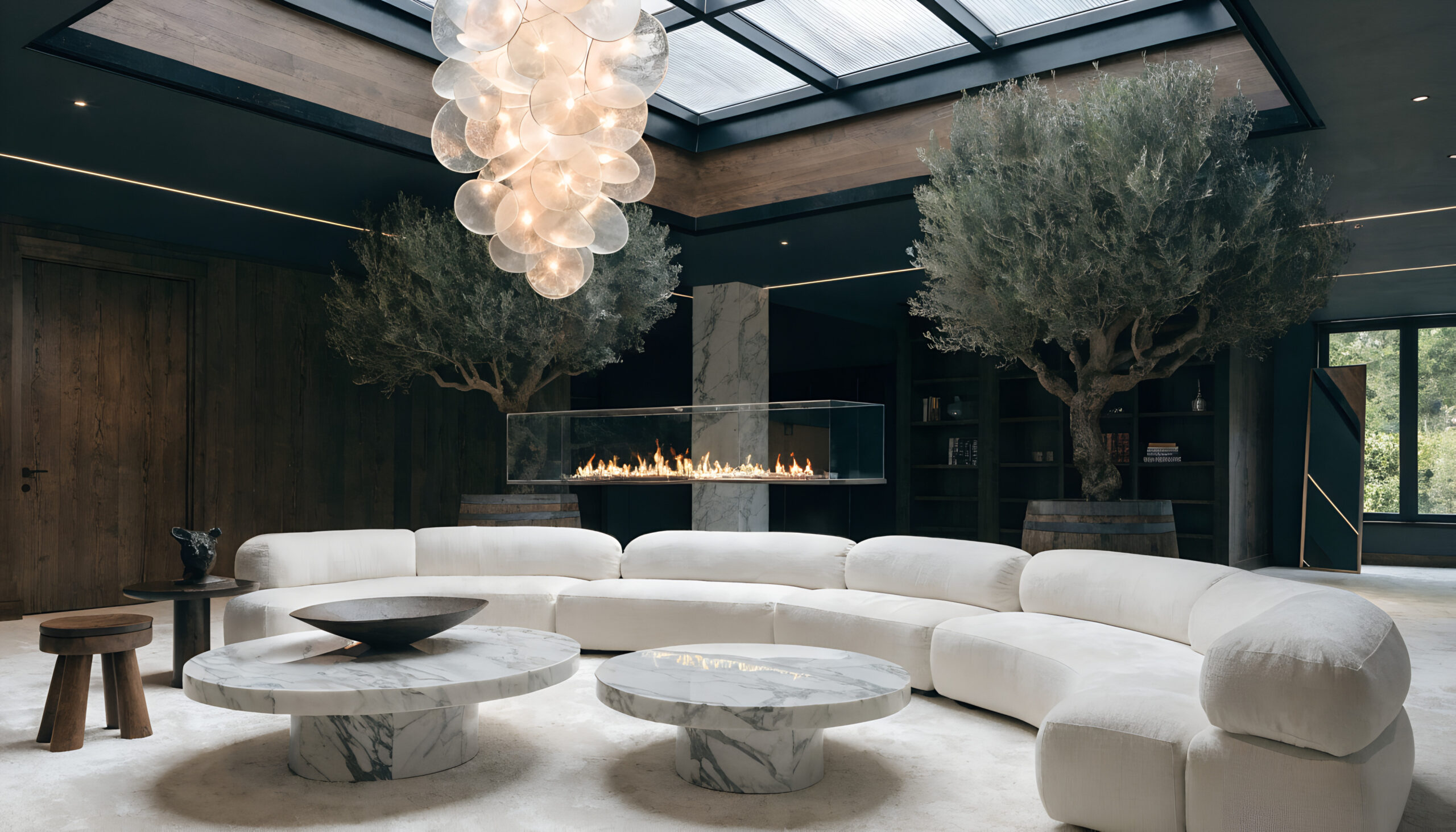
Energy performance should not flatten the personality of an older home.
The best renovations protect the details people actually care about: original proportions, rooflines, millwork, mature landscaping, window placement, and the way the home sits on the street. Those details are part of the value, and they deserve the same attention as the insulation spec.
Moving toward zero net energy homes standards can involve significant changes, all of which can affect how rooms look and feel if it isn’t handled carefully:
- High-performance windows that respect the home’s proportions.
- Mechanical runs that don’t announce themselves.
- Insulation strategies that improve comfort without altering the rooms people love.
- Modern systems that feel like they belong rather than systems that were bolted on.
The result is a home with lower energy demand, better comfort, and stronger long-term resilience, without trading away the character that made it worth investing in.
Add Renewable Energy Once the Home Is Ready
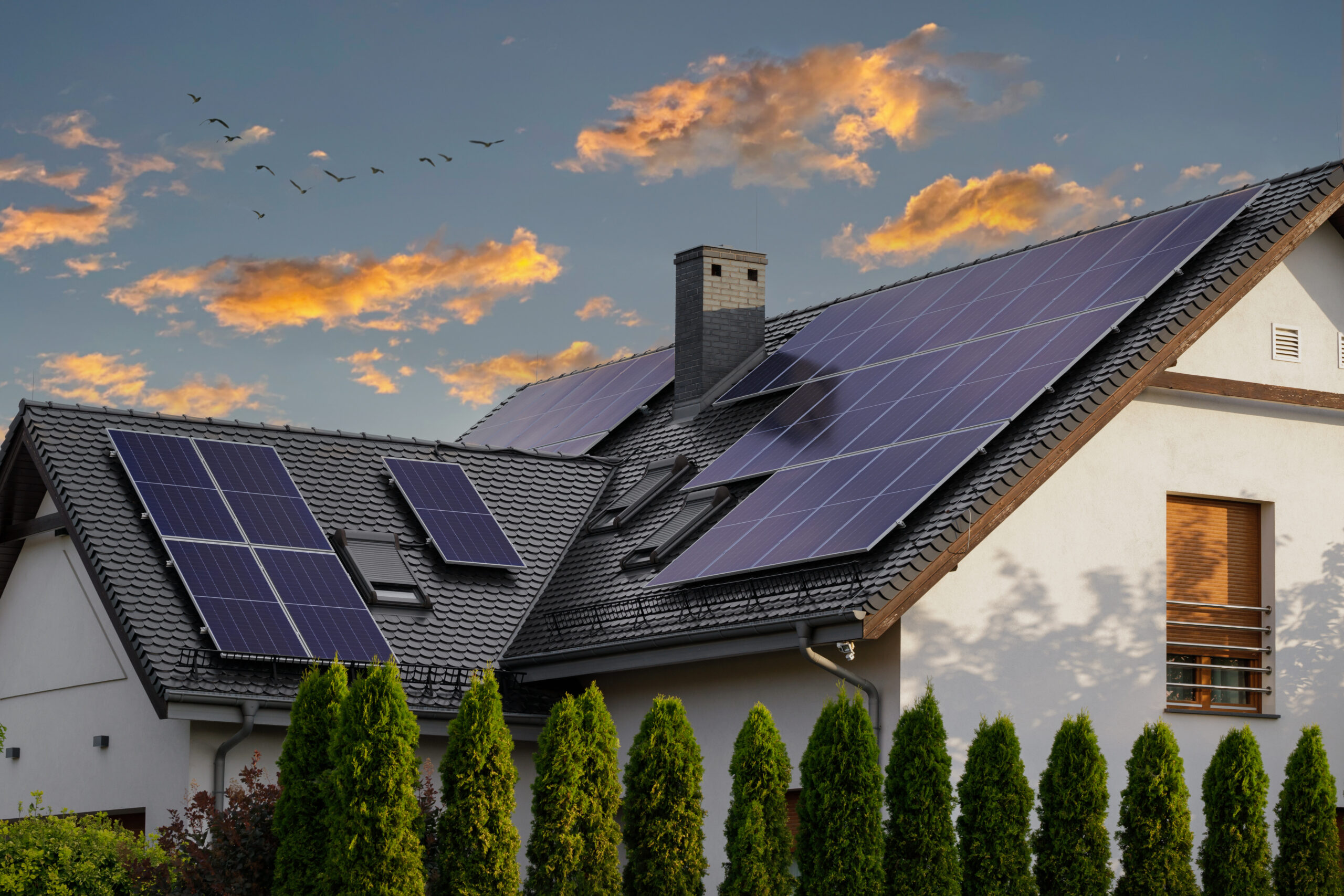
Solar and other renewable systems are still part of the path to zero net energy homes. They just work better when the home is ready for them.
Once energy demand has been reduced, solar can be sized more intelligently. A tighter, better-performing home needs a smaller system to reach net zero, which means lower upfront cost and a more predictable outcome.
This is also where the CHBA’s Net Zero Ready designation becomes relevant. It recognizes homes renovated to the right efficiency standard even before a renewable energy system is installed, leaving the door open to add solar when the budget, the roof, or the timing makes sense.
For older properties, that flexibility is worth planning for. Prepare the home now. Add renewables when you’re ready.
A Better Future for Older Homes
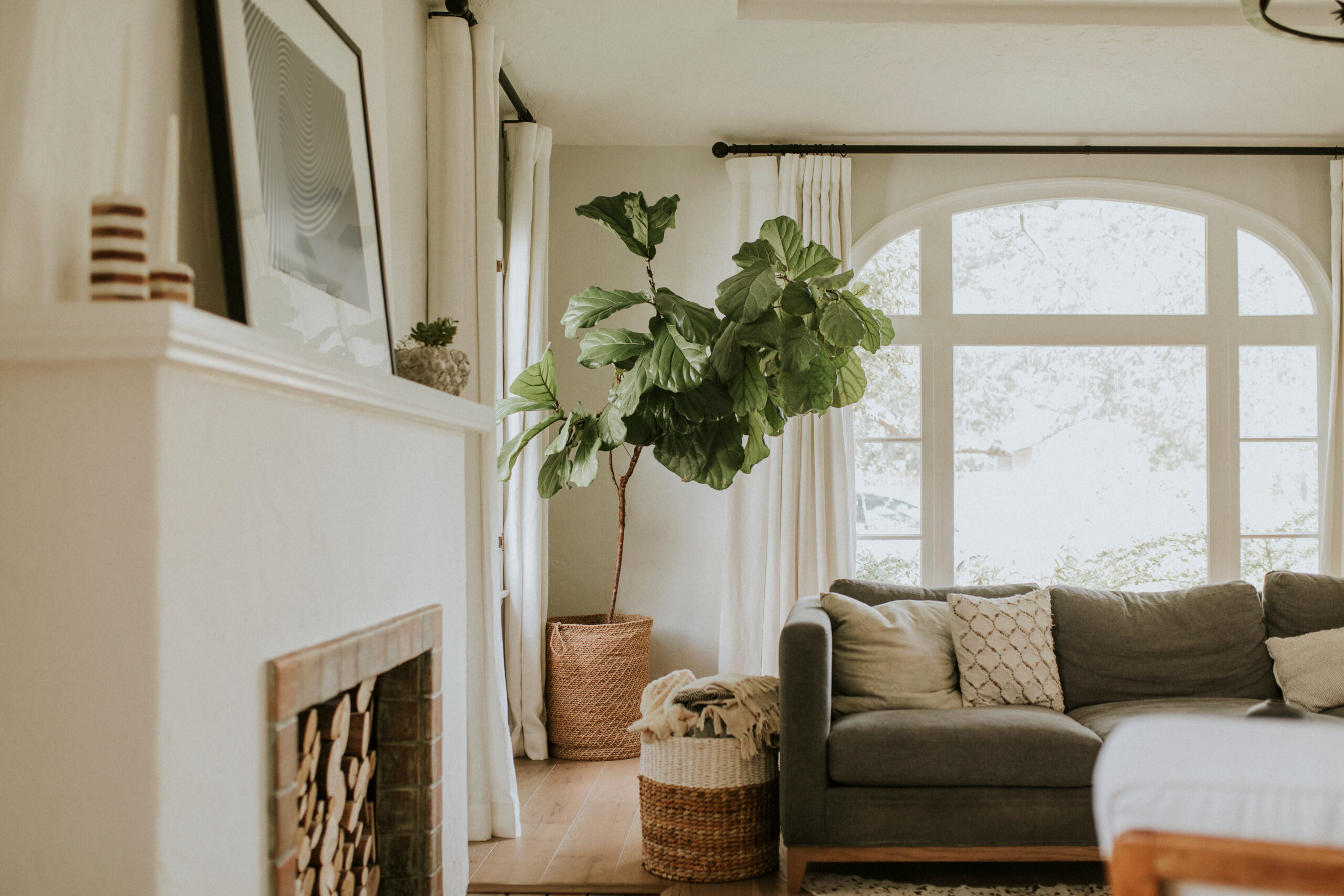
Older homes have a place in a lower-energy future. They need a renovation plan that respects what already works while improving what no longer does.
That’s where a thoughtful design-build process makes the difference.maisond’etre has helped older Vancouver homes move through this kind of careful transition, bringing envelope upgrades, mechanical planning, and design together as a single coordinated effort rather than a series of separate decisions.
The home that comes out the other side has more comfort, lower energy demand, and a longer useful life. If your property is worth keeping, it’s worth doing right. Connect with maison d’etre to start the conversation.