
Renovations●Tips
Smart Home Design: Integrating Technology Seamlessly Into Your Renovation
June 2, 2026
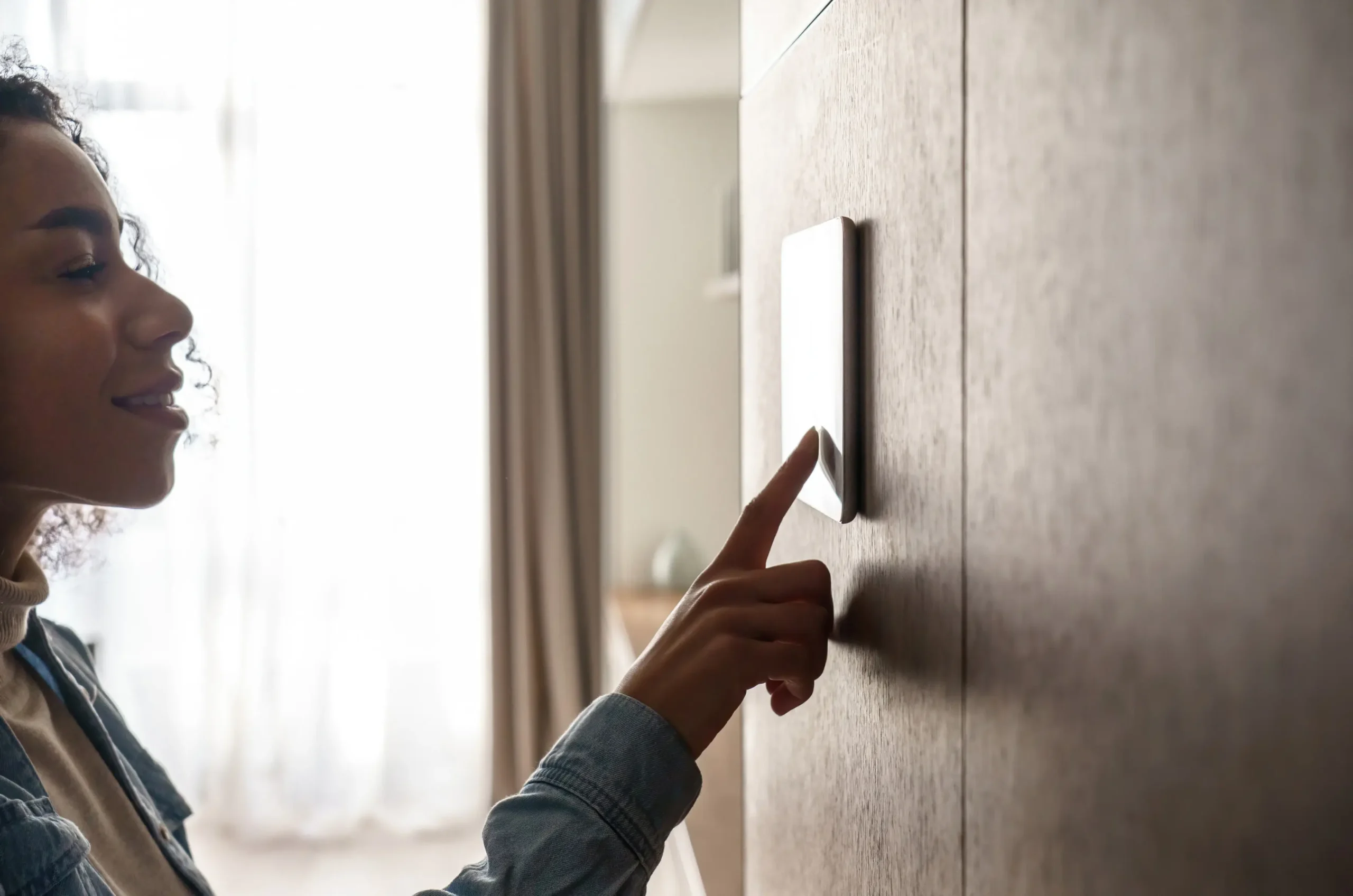
Smart homes should make your life easier.
Lights that shift with the time of day. Temperature that stays consistent without you touching it. Shades that lower as the afternoon sun moves in. Security and music run quietly in the background, with energy use managed automatically.
When it’s designed well, you barely notice it. You just move through the space and everything works.
Most smart homes fall short because technology gets added in pieces. A thermostat here, a few switches there. Over time, the comfort you wanted turns into a headache, because systems that weren’t planned together rarely work together.
Planned design changes that.
When technology is planned from the start of a renovation, it becomes part of the home. Controls are clean. Systems talk to each other. Nothing feels like an afterthought.
In Vancouver, this is becoming more common, particularly in zero net energy homes, where performance and comfort are closely tied to how the home uses energy.. The right technology manages that in the background, so you don’t have to think about it.
If you’re renovating, now is the moment. Build it in early, and let your home support the way you actually live.
Start With Infrastructure, Not Gadgets (Avoid Retrofits)
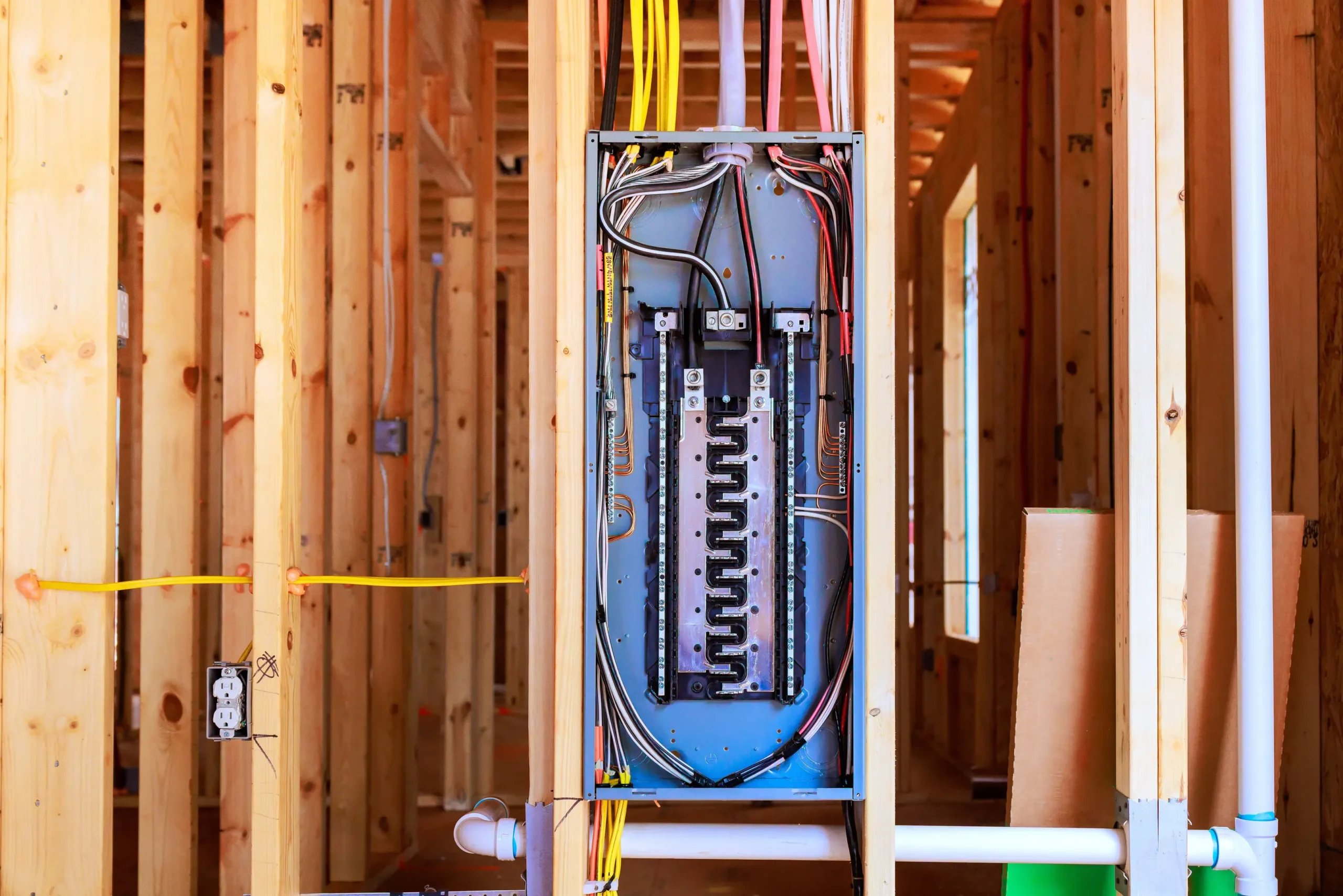
A smart home that actually works starts long before you choose a single device.
Most people begin with something visible. A smart display. A voice assistant. A connected lock. They work on their own, but a home that functions as a complete system requires a different kind of planning, and it happens much earlier.
It starts behind the walls.
A few decisions are worth locking in early:
- Structured wiring adds reliability and security that wireless alone can’t match
- Network coverage should be consistent across the entire home
- Panel capacity should account for what’s coming next, not just what’s being installed today
- Adding conduit makes future upgrades possible without opening walls
These aren’t complicated decisions. They just need to happen at the right time.
The same applies to how systems are organized.
When devices are added one by one, each with its own app and logic, things start to drift. Controls get scattered. Integrations break. You end up managing the system instead of using it. When everything is planned together, the home responds as a single environment. Lighting, climate, shading, and security working in sync.
This is where renovation creates an advantage. While the structure is open, you can route properly, place things intentionally, and coordinate with the overall design. Once finishes are in place, those options narrow quickly.
Retrofitting means adapting to the home as it is. Planning early means building it the way you want.
The Systems Worth Integrating (and How They Improve Daily Life)
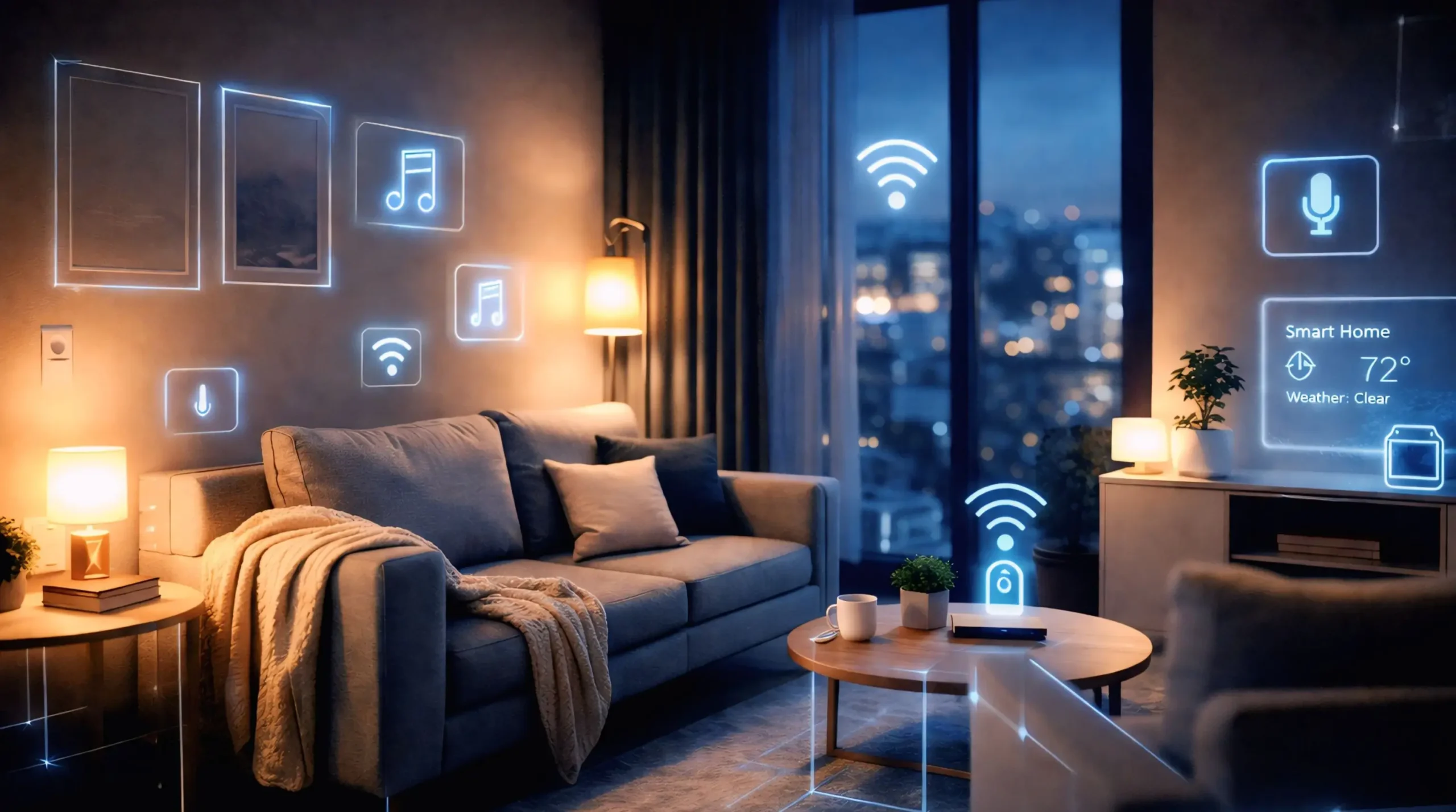
The right systems, working together, are what make a home feel effortless. Here’s where it makes the biggest difference day to day.
Lighting
Lighting does more than turn on and off.
Circadian lighting adjusts colour temperature throughout the day, cooler in the morning and warmer in the evening, supporting natural sleep patterns without any manual input. Scenes can be set for different moments, whether you’re cooking, winding down, or having people over (without needing to adjust multiple switches).
Climate
Zoned heating and cooling lets different areas of the home run at different temperatures based on how they’re used. Combined with occupancy sensing, the system adjusts to when rooms are active. Comfort stays consistent and energy use drops without any extra effort.
Shading
Automated shading is one of the most overlooked upgrades.
It manages sunlight before it becomes a problem. Rooms stay cooler in the afternoon. Glare is reduced. Privacy adjusts without effort. It also supports energy performance by reducing the load on heating and cooling systems.
Security and Access
A well-integrated security system means fewer apps and fewer logins.
A single system for cameras, locks, and access control keeps everything consistent. No gaps between systems. Just clear visibility and control when you need it. You can see what’s happening, manage access, and get notified when something needs attention.
When these systems are planned and integrated well, they disappear into the design. Clean walls, minimal controls, no visual clutter. The home looks the way it was meant to, and works better because of it.
Net Zero Energy Homes and Smart Technology
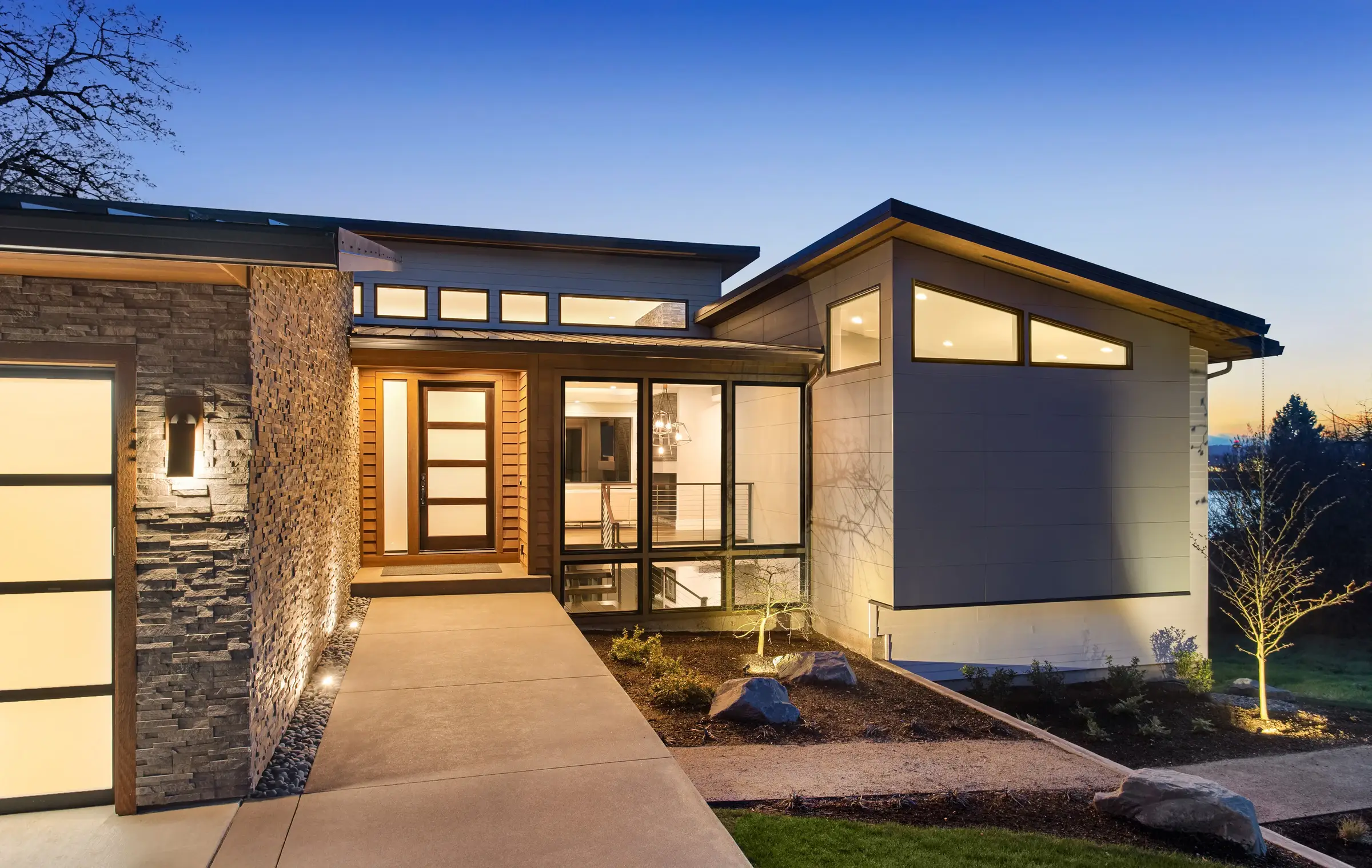
In Vancouver, net zero energy homes are becoming a serious consideration. Rising energy costs and tightening building codes under BC’s Step Code are raising the bar for what a well-built home needs to deliver.
Smart technology plays a direct role in making that performance possible, and not just as a convenience layer on top:
- Real-time energy monitoring gives you a clear picture of where energy is being used and when, making it easier to spot waste and confirm the home is performing as designed
- Smart controls allow systems like heat pumps and ventilation to respond to conditions inside and outside the home, rather than running on a fixed schedule
- Automated scheduling shifts energy-intensive tasks to off-peak hours, pre-conditions the home before you arrive, and reduces output when rooms are empty
These aren’t features that require constant attention. They run in the background and the home performs better because of them.
That’s the real value in pairing smart technology with a net zero energy home. The home manages its own performance, and you just get to live in it and reap the benefits.
What to Ask Your Renovation Team
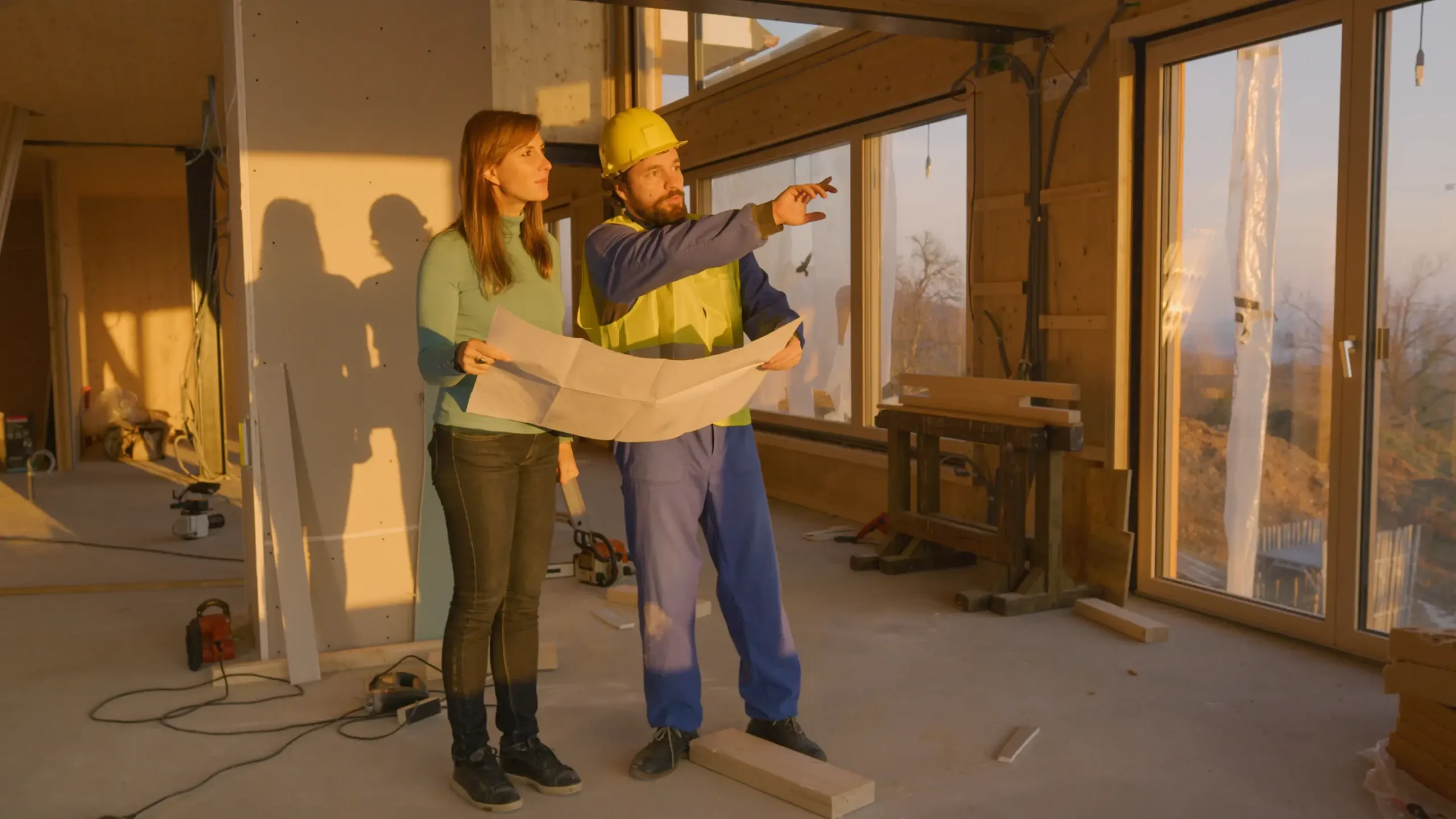
Technology planning should come up early in any renovation conversation. If it doesn’t, that’s worth paying attention to.
The right questions will tell you how the project is being approached.
Are systems being planned together, or added later?
Lighting, climate, shading, and security should be coordinated from the start. If they’re being treated as separate decisions, they’ll likely stay that way.
At what stage does technology planning happen?
It should be part of early design, not something introduced after layout and electrical are already set. Late decisions lead to compromises.
How are trades being coordinated?
There should be a clear connection between the designer, electrician, and AV or technology team. If that responsibility isn’t defined, gaps tend to show up later.
How is the home being prepared behind the walls?
Ask how they’re thinking about wiring, panel capacity, and network infrastructure. You don’t need every detail, but there should be a clear plan.
What happens if you want to expand later?
Future upgrades should already be accounted for. Conduit, extra capacity, and access points are simple to include early and difficult to add later.
Have they worked on net zero energy homes?
In higher-performance homes, systems need to stay coordinated. Technology plays a role in managing energy use and maintaining comfort through proper ventilation, so experience here matters.
You don’t need to know every technical detail.
But you should be able to tell when there’s a plan.
A team that approaches technology as part of the design process will have clear, consistent answers. A team that treats it as something to figure out later usually won’t.
A few red flags to watch for:
- Technology being introduced after design and electrical are already planned
- No clear coordination between trades
- A focus on individual products instead of how systems will work together
The right team thinks ahead, coordinates early, and makes sure the decisions made at the start of a project hold up over time.
The Bottom Line

A well-designed smart home doesn’t draw attention to itself. It just works. Lighting, climate, and security respond the way they should, and the space feels consistent from morning to night.
That only happens when technology is planned from the start. In higher-performance homes, including net zero energy homes, that coordination becomes even more important, where systems are designed to work together.
A renovation is the moment to get it right. At maison d’etre, technology is considered as part of the design from day one, so every system works together and nothing feels like an afterthought.
Get in touch and let’s build a home that supports the way you actually live.